
Effective Piriformis Syndrome Therapies for Lasting Relief
Understanding Piriformis Syndrome: Identifying the Root Cause
When you experience persistent deep gluteal pain, often radiating down the back of your leg, you might be confronting piriformis syndrome. It’s a condition we frequently diagnose in our Watford and Hertfordshire clinic, characterized by irritation of the sciatic nerve by the piriformis muscle. This small, flat muscle, located deep in your buttocks, plays a crucial role in hip rotation and stabilization. However, when it becomes tight, inflamed, or spasms, it can compress the sciatic nerve, which typically runs directly underneath or, in some anatomical variations, even through the muscle itself.
This compression leads to a constellation of symptoms that can be profoundly debilitating, impacting everything from walking and sitting to your ability to participate in sports or even perform daily tasks. The pain is often described as a dull ache in the buttock, frequently exacerbated by prolonged sitting, climbing stairs, or specific hip movements. Unlike true sciatica originating from a herniated disc in the lumbar spine, piriformis syndrome often doesn’t present with lower back pain, though distinguishing between the two requires careful clinical evaluation.
At its core, piriformis syndrome is a neuromuscular issue. The piriformis muscle, due to overuse, trauma, or anatomical predisposition, can tighten and directly impinge on the sciatic nerve. Understanding this mechanism is the first step towards effective intervention. We focus on a thorough clinical assessment, including a detailed history of your symptoms, palpation of the piriformis muscle, and specific movement tests to confirm the diagnosis and rule out other potential causes of sciatic-like pain. Our goal is to pinpoint the exact contributing factors to your discomfort, ensuring our treatment plan is precisely targeted and maximally effective. Without this foundational understanding, interventions can be misdirected, leading to temporary relief rather than lasting resolution.
Differentiating Piriformis Syndrome from Other Causes of Sciatic Pain
One of the most critical aspects of managing piriformis syndrome is an accurate diagnosis. Many conditions can mimic sciatic pain, originating from the lumbar spine (such as disc herniations, spinal stenosis, or spondylolisthesis) or other deep gluteal structures. We often encounter patients who have been misdiagnosed, leading to prolonged suffering and ineffective treatments.
Our comprehensive approach involves a detailed physical examination, assessing your range of motion, muscle strength, and neurological integrity. We look for specific patterns of tenderness in the piriformis muscle and observe how your pain changes with various movements and postures. For instance, specific tests that internally rotate the hip while flexing it can often reproduce symptoms in piriformis syndrome, while tests that stress the lumbar spine may not.
Imaging studies, such as MRI, are sometimes utilized not necessarily to confirm piriformis syndrome (as the muscle itself may not show clear abnormalities), but rather to rule out other spinal pathologies that could be causing your symptoms. This careful diagnostic process ensures that we don’t embark on a treatment pathway for piriformis syndrome if the true source of your pain lies elsewhere. Our expertise in biomechanics and musculoskeletal assessment allows us to confidently distinguish between these conditions, laying the groundwork for truly effective and targeted therapy. We understand that accurate diagnosis is not just an academic exercise; it is the cornerstone of your recovery and prevention of long-term complications.
For those seeking effective therapies for piriformis syndrome, a related article discusses the benefits of deep tissue massage as a treatment option. This therapy can help alleviate muscle tension and improve mobility in individuals suffering from this condition. To learn more about how deep tissue massage can aid in managing piriformis syndrome, you can read the article here: Deep Tissue Massage.
First-Line Conservative Approaches: Foundations of Recovery

When you first present with symptoms indicative of piriformis syndrome, our primary focus in Watford and Hertfordshire is on conservative, non-invasive treatments. These approaches are considered first-line care because they are highly effective in reducing sciatic nerve irritation and promoting muscle relaxation, often without the need for more invasive interventions. Our strategy is firmly rooted in physical therapy, targeted stretching, and activity modification, often complemented by pharmacological support when necessary.
Rest, while seemingly simple, plays a crucial role. It doesn’t necessarily mean complete inactivity, but rather an adjustment to activities that exacerbate your pain. This might involve temporarily avoiding prolonged sitting, reducing impact activities like running, or modifying your posture. Coupled with rest, we often recommend a short course of non-steroidal anti-inflammatory drugs (NSAIDs) to manage acute pain and inflammation, and in some cases, muscle relaxants to help calm the piriformis muscle spasm. These medications are typically used as an adjunct to therapy, providing a window of pain reduction that allows you to engage more effectively with rehabilitative exercises.
The cornerstone of this first-line approach, however, lies in targeted physical therapy. Our skilled therapists guide you through a personalized program designed to stretch and lengthen the piriformis muscle, improve hip mobility, and strengthen the surrounding core and gluteal muscles. This holistic approach not only addresses the immediate symptoms but also corrects underlying biomechanical imbalances that may have contributed to the condition. We focus on education, empowering you with the knowledge and tools to manage your condition proactively and prevent recurrence.
Targeted Stretching and Soft Tissue Release Techniques
Effective management of piriformis syndrome hinges on addressing the tightness and spasm of the piriformis muscle itself. We employ a variety of targeted stretching protocols and soft tissue release techniques, all based on sound anatomical and physiological principles. Our goal is to restore the piriformis muscle to its optimal length and reduce its compressive effect on the sciatic nerve.
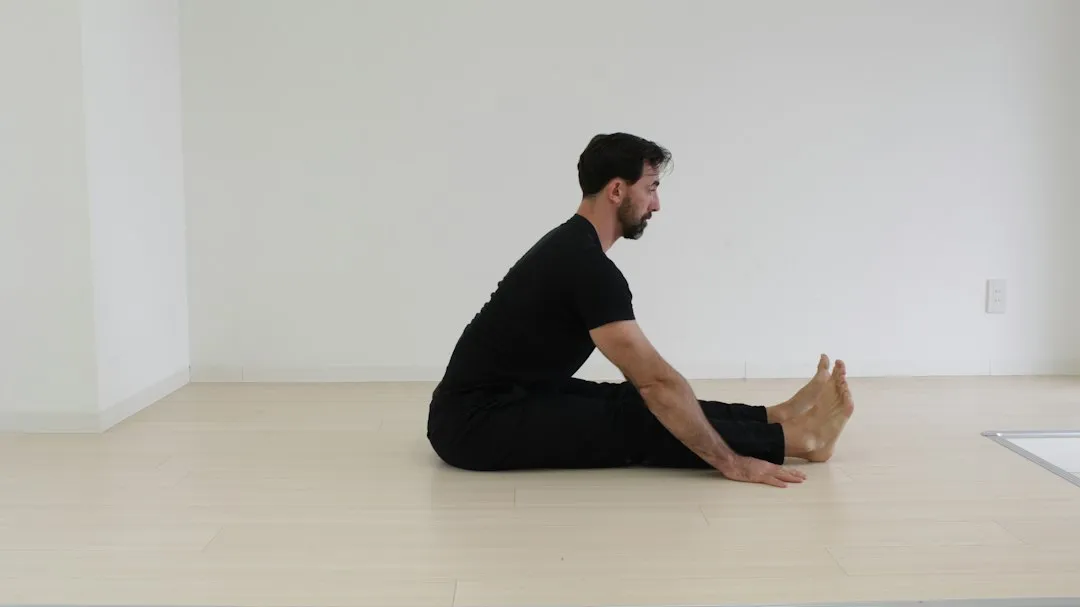
Specific stretches for the piriformis muscle are taught and carefully monitored to ensure correct execution. These often include variations of the seated piriformis stretch, supine piriformis stretch (figure-four stretch), and external rotation stretches. We guide you through the proper technique, emphasizing controlled movements and sustained holds, typically for 20-30 seconds, repeated multiple times throughout the day. Consistency with these stretches is paramount for achieving lasting relief.
Beyond passive stretching, manual therapy techniques play a significant role. Myofascial release, for example, is a hands-on technique where we apply sustained pressure to tight spots (trigger points) within the piriformis muscle and its surrounding fascia. This helps to release tension, improve blood flow, and restore tissue elasticity. Similarly, Active Release Technique (ART) involves applying pressure to the muscle while it is moved through a specific range of motion. This active engagement helps to break down adhesions and scar tissue within the muscle, restoring its normal function and reducing nerve entrapment. These manual therapy interventions are powerful tools in our arsenal, providing direct and immediate relief to the affected tissues. When combined with a progressive strengthening program, these techniques offer a robust pathway to improved pain, hip range of motion, and overall function.
Optimising Biomechanics Through Strengthening and Movement Re-education
Addressing the piriformis muscle in isolation is often insufficient for long-term relief. We recognize that piriformis syndrome frequently arises from or is exacerbated by underlying biomechanical inefficiencies in your posture, gait, and movement patterns. Therefore, a crucial component of our first-line care involves optimising your overall biomechanics through targeted strengthening exercises and movement re-education.
Our rehabilitation programmes in Watford and Hertfordshire are meticulously designed to identify and correct these imbalances. We focus on strengthening the core muscles, which provide essential stability to the pelvis and lumbar spine. A strong core reduces undue stress on the hip rotators, including the piriformis. Equally important is strengthening the gluteal muscles – specifically the gluteus medius and gluteus maximus. These muscles are vital for hip abduction, external rotation, and extension, and weakness in these areas can lead to compensatory overuse of the piriformis, contributing to its tightness and irritation. Exercises such as clamshells, hip abductions, glute bridges, and side planks are progressively introduced to build strength and endurance in these key muscle groups.
Movement re-education goes beyond simple strength training. We analyze your walking pattern, running form, and even how you sit or stand, identifying any dysfunctional movements that may be contributing to your pain. For example, excessive internal rotation of the hip during walking or running can place undue strain on the piriformis. We teach you conscious strategies to correct these patterns, improving neuromuscular control and promoting more efficient, pain-free movement. This holistic approach ensures that not only do your symptoms resolve, but you also develop resilience against future recurrences, empowering you to return to your desired activities with confidence and without compromising your joint and muscle health.
Advanced Intervention Strategies: Beyond Initial Care

While first-line conservative therapies are highly effective for many patients suffering from piriformis syndrome, we understand that some individuals in Watford and Hertfordshire may experience persistent or refractory symptoms. In these instances, our clinical approach escalates to include more advanced, evidence-based interventions. These strategies are carefully considered and precisely applied, always with the goal of providing lasting relief and preventing long-term joint and muscle damage. We utilize a range of techniques, from targeted injections to specialized manual therapy and, in rare cases, surgical options, all guided by the latest research and clinical best practices.
Our decision to move to advanced interventions is always based on a thorough re-evaluation of your progress and persistent symptoms. We collaborate closely with local specialists when necessary, ensuring a multidisciplinary approach to your care. The aim is to reduce inflammation, relax the piriformis muscle, and decompress the sciatic nerve more directly when conservative measures alone haven’t yielded sufficient improvement. These interventions are never a replacement for rehabilitation but rather a catalyst, creating a window of opportunity for more effective physical therapy and movement re-education.
Precision-Guided Injections for Direct Relief
When conservative treatments prove insufficient, precision-guided injections offer a direct and often highly effective avenue for reducing pain and inflammation associated with piriformis syndrome. These injections are not a standalone cure but rather a powerful tool to interrupt the pain cycle and facilitate more active and pain-free engagement with physical therapy.
Image-guided CT injections, for instance, appear to provide the largest pain reduction. The advantage of CT guidance is the extreme precision it offers, allowing us to deliver medication directly into the piriformis muscle or the space surrounding the sciatic nerve with pinpoint accuracy. This ensures that the therapeutic agent reaches the exact site of pathology, maximizing its effectiveness while minimizing risks.
Within these injections, corticosteroids are commonly used. Steroid-only injections can significantly reduce inflammation and pain, often providing relief, though the duration of this relief tends to be shorter compared to other agents. However, the strongest results are often observed when botulinum toxin (Botox) is added to the injection cocktail. Botulinum toxin works by temporarily relaxing the piriformis muscle, thereby reducing its spasm and subsequent compression of the sciatic nerve.
Botulinum toxin injections are increasingly supported for refractory piriformis syndrome. Studies suggest that these injections offer better pain relief and a longer duration of effect than steroid injections in selected patients. The muscle-relaxing effect can last for several months, providing a prolonged window for physical therapy to be maximally effective in addressing underlying biomechanical issues. Our clinic ensures that these procedures are performed with the utmost care, prioritizing patient safety and optimal outcomes, always in collaboration with experienced interventional radiologists or pain management specialists who can precisely administer these advanced treatments.
Dry Needling and Joint Mobilization
Beyond injection therapies, other advanced manual techniques like dry needling and specific joint mobilization are invaluable in managing persistent piriformis syndrome. These interventions, performed by highly skilled practitioners, target different but interconnected aspects of musculoskeletal dysfunction.
Dry needling involves the insertion of fine, sterile needles into myofascial trigger points within the piriformis muscle and surrounding gluteal complex. These trigger points are hyperirritable spots that can contribute to muscle tightness, pain, and referred sensations down the leg. The insertion of the needle aims to elicit a “local twitch response,” which helps to release muscle tension, improve blood flow, and reduce pain. This technique is particularly effective at releasing deep muscle spasms that may be difficult to access with other manual therapies. By deactivating these trigger points, dry needling helps to restore the piriformis muscle to a more relaxed state, thereby alleviating sciatic nerve compression. We ensure this procedure is performed safely and hygienically, always explaining the process and expected sensations to you beforehand.
Joint mobilization, on the other hand, focuses on restoring optimal movement to the sacroiliac (SI) joint and hip joint. Dysfunction in these joints, such as hypomobility (restricted movement), can alter pelvic mechanics and place increased strain on the piriformis muscle. Our therapists employ gentle, rhythmic, and oscillatory movements to improve the range of motion and reduce stiffness in these joints. By restoring proper joint mechanics, we can reduce compensatory demands on the piriformis and promote a more balanced, pain-free functional movement pattern. These techniques are often integrated with stretching and strengthening exercises to provide a comprehensive approach to addressing both muscular and joint contributions to your piriformis syndrome.
The Role of Comprehensive Rehabilitation: Sustaining Your Progress
Effective therapy for piriformis syndrome doesn’t end when your pain subsides. In Watford and Hertfordshire, we emphasize the critical role of comprehensive, ongoing rehabilitation to sustain your progress and prevent recurrence. This phase of your treatment is about transitioning from pain management to building resilience, ensuring that the piriformis muscle remains relaxed and the sciatic nerve uncompressed over the long term. Our approach is holistic, integrating advanced exercises, ergonomic adjustments, and self-management strategies tailored to your lifestyle and activity levels.
Sustaining relief requires more than just isolated stretches or short-term interventions. It demands a commitment to understanding your body’s mechanics and implementing proactive measures. We guide you through progressive exercise protocols that build strength, endurance, and flexibility not only in the piriformis and surrounding hip muscles but also throughout your core and lower kinetic chain. This systematic approach addresses any lingering biomechanical imbalances that could predispose you to future episodes.
Furthermore, we focus on empowering you with the knowledge to identify and modify activities or postures that might trigger your symptoms. This includes advice on proper sitting posture, lifting techniques, and adapting your exercise routine. Our goal is not just to treat your current symptoms but to equip you with the tools and understanding to maintain optimal musculoskeletal health independently, allowing you to return to your chosen activities, whether it’s gardening, sports, or simply enjoying a pain-free life, with confidence and without apprehension.
Progressive Exercise Programs for Strength and Flexibility
Once acute pain has been managed, the focus shifts to building resilience and preventing future recurrences through progressive exercise programs. These programs are meticulously designed to restore full strength, flexibility, and neuromuscular control to the hip and gluteal region, as well as the entire kinetic chain.
Our physiotherapists will guide you through a phased exercise progression. Initially, exercises will focus on gentle range of motion and isometric contractions to safely activate the piriformis and surrounding muscles without irritation. As your pain tolerance improves, we gradually introduce dynamic stretching and strengthening exercises. This includes advanced stretches for the piriformis and hip rotators, ensuring they maintain optimal length and flexibility.
Strengthening exercises are paramount. We emphasize multi-planar movements that target the gluteus medius, gluteus maximus, and other hip stabilizers, which often become weak in individuals with piriformis syndrome. Examples include lateral band walks, single-leg squats, lunges, and advanced core stability exercises. These movements not only build strength but also improve coordination and balance, correcting any subtle imbalances that could lead to compensatory overuse of the piriformis. The progression is always tailored to your individual capabilities and goals, ensuring that each exercise challenges you appropriately without exacerbating symptoms. Our aim is to build a robust foundation that allows your piriformis muscle to function optimally without impingement, thus protecting the sciatic nerve and preventing future episodes.
Ergonomic Advice and Lifestyle Modifications
Beyond active rehabilitation, an often-overlooked yet critical aspect of lasting relief for piriformis syndrome involves ergonomic adjustments and lifestyle modifications. Your daily habits, posture, and work environment can significantly influence the stress placed on your piriformis muscle and sciatic nerve. Addressing these factors is paramount for sustained recovery and preventing recurrence.
Our clinical team provides personalized ergonomic advice, particularly concerning prolonged sitting. For many individuals in Watford and Hertfordshire who have desk-bound jobs or long commutes, prolonged sitting can tighten the piriformis and exacerbate symptoms. We recommend regular breaks to stand and stretch, adjusting chair height, and using lumbar support to maintain a neutral spine and pelvis. Cushioning designed to relieve pressure on the buttocks can also be beneficial.
Furthermore, we discuss activity-specific modifications. For athletes, this might involve analyzing running gait, cycling posture, or other sport-specific movements that could be contributing factors. We may suggest adjustments to footwear, training volume, or technique to reduce stress on the hip complex. Even seemingly minor changes, like avoiding carrying a wallet in your back pocket, can make a significant difference in alleviating pressure on the piriformis. Lifestyle advice also extends to promoting overall wellness, including adequate hydration, nutrition, and stress management, all of which contribute to muscle health and recovery. By integrating these practical, actionable strategies into your daily life, you take an active role in managing your condition and fostering long-term musculoskeletal health.
If you’re exploring effective therapies for piriformis syndrome, you might find it beneficial to read a related article that discusses various pain management strategies. This resource provides insights into different treatment options that can help alleviate discomfort and improve mobility. For more information, you can check out this informative piece on various pain management techniques that may complement your approach to managing piriformis syndrome.
When Advanced Medical Interventions Become Necessary
| Therapy | Description | Effectiveness | Typical Duration | Common Side Effects |
|---|---|---|---|---|
| Physical Therapy | Stretching and strengthening exercises targeting the piriformis muscle and surrounding areas. | High | 4-8 weeks | Muscle soreness |
| Medications | NSAIDs, muscle relaxants, or pain relievers to reduce inflammation and pain. | Moderate | 1-3 weeks | Gastrointestinal upset, drowsiness |
| Trigger Point Injections | Injection of anesthetic or corticosteroids into the piriformis muscle to relieve pain. | Moderate to High | Immediate relief, effects last weeks to months | Injection site pain, infection risk |
| Massage Therapy | Deep tissue massage to reduce muscle tension and improve blood flow. | Moderate | Several sessions over weeks | Temporary soreness |
| Heat and Cold Therapy | Application of heat or ice packs to reduce muscle spasm and inflammation. | Low to Moderate | As needed | Skin irritation |
| Botox Injections | Injection of botulinum toxin to relax the piriformis muscle. | Moderate | Effects last 3-4 months | Muscle weakness, injection site pain |
| Surgery | Surgical release of the piriformis muscle in severe, refractory cases. | Variable | Recovery several weeks to months | Infection, nerve damage, scarring |
While the vast majority of piriformis syndrome cases respond positively to conservative care, and even advanced non-surgical interventions like injections, there are rare instances where symptoms persist despite comprehensive and sustained efforts. In such refractory cases, usually after a minimum of six months of failed conservative and injection-based therapies, we consider advanced medical interventions, specifically surgical or endoscopic release. It is crucial to understand that these options are generally reserved as a last resort, following a thorough evaluation of all other possibilities and a clear understanding of the benefits and risks involved.
The decision to proceed with surgery is made only after a meticulous re-assessment of your clinical picture, including a review of all previous treatments and diagnostic findings. Our clinical team collaborates with expert orthopedic surgeons or neurosurgeons specializing in nerve entrapment syndromes to determine the most appropriate course of action. The goal of surgery is to directly decompress the sciatic nerve by releasing the tight piriformis muscle, thus eliminating the source of irritation.
The latest reviews report durable long-term improvement in pain and function for appropriately selected patients undergoing surgical or endoscopic release. While effective, it’s an invasive procedure with inherent risks, and it typically requires a dedicated post-operative rehabilitation program to ensure optimal recovery and restoration of function. Our commitment remains to explore every conservative and minimally invasive option first, ensuring that surgery is only considered when absolutely necessary for your lasting relief and quality of life.
Surgical and Endoscopic Release Options
For those rare and challenging cases of piriformis syndrome that remain refractory to all conservative and less invasive treatments, surgical intervention becomes a necessary consideration. The primary objective of surgical or endoscopic release is to directly decompress the sciatic nerve by cutting or releasing the tight or hypertrophied piriformis muscle.
Traditional open surgery involves an incision in the buttock area to access and release the piriformis muscle, thereby alleviating pressure on the sciatic nerve. More recently, endoscopic techniques have gained traction. Endoscopic release is a minimally invasive procedure where a small incision is made, and an endoscope (a thin tube with a camera) is inserted to visualize the piriformis muscle and sciatic nerve. Specialized instruments are then used to carefully release the muscle, often by cutting a portion of its tendon or muscle belly, creating more space for the sciatic nerve.
The advantage of endoscopic techniques often includes smaller incisions, less post-operative pain, and potentially a quicker recovery time compared to open surgery. However, both approaches aim to achieve the same goal: free the sciatic nerve from entrapment. The choice between open and endoscopic surgery depends on various factors, including the surgeon’s expertise, the specific anatomy of the patient, and the extent of the compression.
It is important to reiterate that surgery is not a first-line treatment. It is considered only after a comprehensive evaluation confirms piriformis syndrome as the definitive cause of your intractable pain and after all other conservative and injection-based therapies have failed over a sustained period. When performed on carefully selected patients, the latest evidence indicates that these procedures can lead to durable long-term improvement in pain and function, offering a pathway to relief when all other options have been exhausted. Post-surgical rehabilitation is critical for regaining strength, flexibility, and full functional recovery.