
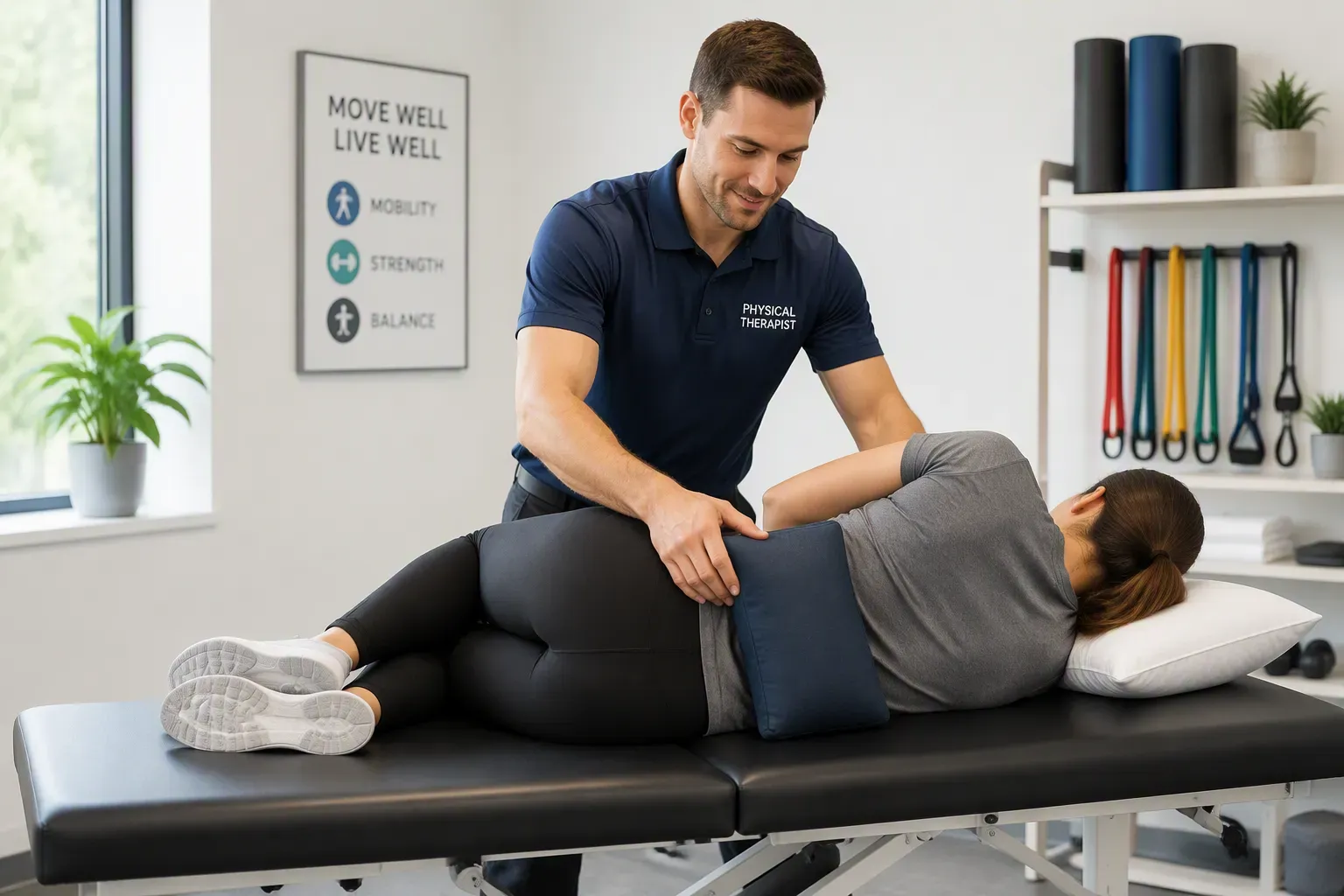
How Sports Therapy Can Help Relieve Sciatica and Lower Back Pain at Watford Injury Clinic
Persistent lower back pain or a shooting sensation down your leg can disrupt every aspect of daily life. You are not alone in this struggle. In Britain, over 10 million adults experience back pain annually, and sciatica affects between 13% and 40% of people during their lifetime. These conditions demand effective, lasting solutions.
Sports therapy offers a non-invasive path to recovery. At Watford Injury Clinic, lead therapist Mike Minerve brings over 20 years of clinical experience to treating back pain and sciatica. His approach targets the root cause of your discomfort rather than merely masking symptoms. This blog explains how back pain and sciatica – sports therapy treatments work and what you can expect during your care.
Key Takeaways
Sports therapy treats the root cause of sciatica, not just symptoms. It uses manual therapy and exercises for lasting relief.
A detailed initial assessment creates a personalised treatment plan for your specific condition.
Non-invasive techniques like deep tissue massage and medical acupuncture provide effective pain relief without surgery.
Early sports therapy reduces disability and improves function, preventing future back pain episodes.
Back Pain and Sciatica – Sports Therapy Treatments

Understanding the Causes of Sciatica Pain – including slipped discs and piriformis syndrome
Sciatica pain does not emerge without reason. Understanding its origins helps you see why sports therapy offers an effective recovery path. A herniated disc, also called a slipped disc, is the most common cause. The soft centre of a spinal disc bulges through a tear in its exterior, pressing directly on the sciatic nerve. Sudden injuries or age-related wear-and-tear often trigger this condition.
Another frequent cause of sciatica is spinal stenosis. The spaces around the spinal cord narrow, compressing nerves including the sciatic nerve. Osteoarthritis frequently causes this narrowing, though injuries or age-related changes can also contribute. Patients often experience back pain that worsens when standing or walking for extended periods.
Piriformis syndrome presents a unique diagnostic challenge. The piriformis muscle, running from your lower back to the top of your thighs, becomes inflamed or spasms. This compresses the sciatic nerve. Piriformis syndrome accounts for approximately 0.3% to 6% of lower back pain cases and about 5% of sciatica cases. Symptoms include a deep, aching pain in the buttock that radiates down the leg, closely mimicking sciatica. Accurate diagnosis is therefore essential. Each cause requires a distinct approach. Back pain and sciatica – sports therapy treatments focus on identifying the exact root cause before therapy begins. A thorough evaluation of your condition is critical, which is why back pain and sciatica – sports therapy treatments always start with a detailed assessment.
How Sports Therapy Offers Lasting Relief
Sports therapy, which is a form of physical therapy, addresses the underlying mechanism of your pain rather than masking symptoms. A 2020 systematic review in the Annals of Internal Medicine confirmed that physical therapy produces equivalent outcomes to surgery for lumbar disc herniation with sciatica, with far fewer risks and no recovery downtime. The American Physical Therapy Association recommends this approach before any surgical procedure is considered. These findings demonstrate that back pain and sciatica – sports therapy treatments can be as effective as invasive procedures.
Core strengthening plays a central role in recovery. Your deep abdominal and lumbar stabilizers act as an internal brace, maintaining a neutral pelvis and limiting excessive lumbar motion. Weak core muscles allow the spine to shift, increasing pressure on the nerve roots. Regular low-impact exercises such as pelvic tilts, bridges, and bird-dogs improve spinal stability, reduce abnormal loading, and provide sciatica relief within weeks. Physical therapists frequently prescribe these exercises as part of a comprehensive programme.
Postural correction forms another pillar of effective care. Poor posture places unnecessary strain on your lower spine, worsening nerve compression. Your therapist teaches proper alignment during daily activities, from desk work to lifting objects. Manual techniques such as deep tissue massage and medical acupuncture release tension in tight muscles compressing the sciatic nerve.
A systematic review and meta-analysis noted that, based on currently available data with high risk of bias and heterogeneity, there is inadequate evidence to make clinical recommendations on the effectiveness of physiotherapy interventions for people with clinically diagnosed sciatica. However, the same review acknowledged that previous network meta-analyses found no support for exercise or traction, and that manipulation’s benefit rested on a single study. This highlights the importance of choosing a therapist who tailors treatment to your specific condition.
A landmark trial found that early therapy for sciatica significantly reduced disability and improved function at three-month follow-up compared to delayed care. This underscores the value of prompt care. Your therapist designs a personalised plan targeting your specific condition, whether a herniated disc, piriformis syndrome, or spinal stenosis. Physical therapy for sciatica relief combines manual techniques with progressive exercise programmes to restore function of the lumbar spine.
This comprehensive approach reduces pressure on the sciatic nerve, strengthens supporting muscles, and prevents future flare-ups. You do not need to be an athlete. The clinic welcomes everyone and tailors every plan to your needs. Early intervention with back pain and sciatica – sports therapy treatments offers your best chance for lasting sciatica relief.
The Sports Therapy Process at Our Watford Clinic
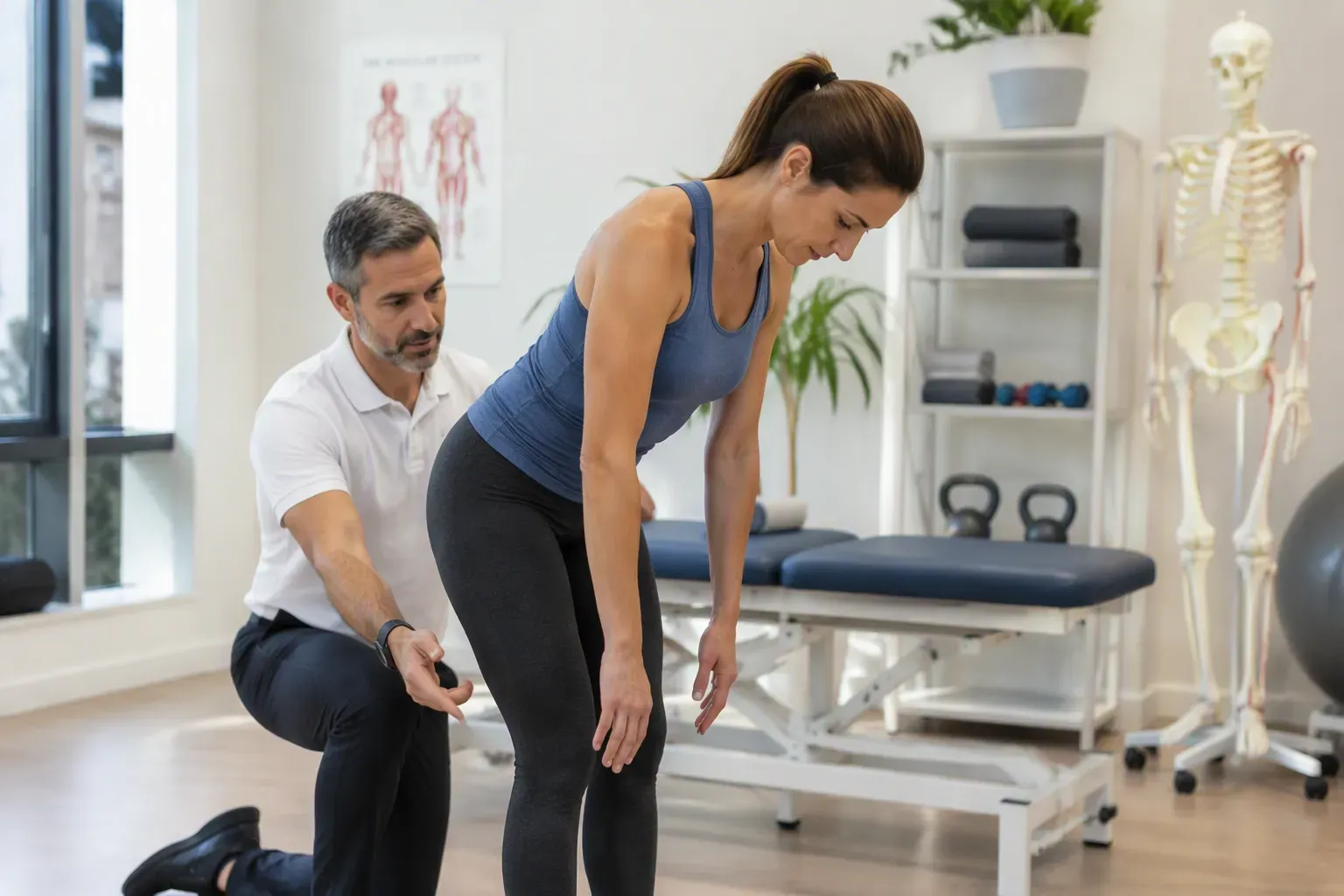
Your Initial Assessment and Personalised Plan
Your journey toward sciatica relief begins with a comprehensive assessment that lasts between 30 and 60 minutes. Mike Minerve conducts this thorough evaluation to understand your condition completely. He reviews your full medical history, including past illnesses or injuries that may influence your current state. This review informs every subsequent decision about your care.
The assessment includes a detailed discussion of your symptoms, daily activities, and lifestyle demands. Mike asks about the onset date of your sciatica, any preceding injury, and your activity level before the pain began. He explores your goals for recovery, whether you wish to return to running, resume gym training, or simply sit at your desk without discomfort.
Movement screening forms a critical component of this evaluation. Mike instructs you to perform simple movements, including forward flexion, extension, twisting, and side bending. He observes your movement patterns carefully to establish a baseline of how sciatica affects your physical capabilities. He tests your spinal posture, pelvic stability, and core strength. He also assesses muscle strength in your lower legs and checks for sensory or motor impairments.
Special provocation tests help identify the precise source of your discomfort. The straight leg raise test involves lying on your back while Mike lifts your leg to determine whether this reproduces pain down your leg. The slump test requires you to sit upright, slump forward at the hips, tuck your chin, and straighten one leg. Pain in this position indicates possible sciatica. These tests, combined with skilled palpation of your spine and surrounding tissues, reveal the root cause of your condition.
Following this assessment, Mike creates a customized treatment plan tailored specifically to your presentation. No two patients receive identical care. Your plan incorporates manual techniques, personalised exercises, and movement coaching designed to address your unique biomechanical issues. He provides a home exercise programme to support your recovery between sessions. Periodic re-assessment ensures your treatment plan evolves as your condition improves.
Techniques That Target Sciatica Relief
Your customized treatment plan combines several evidence-based techniques to deliver effective therapy for sciatica relief. Deep tissue massage enhances circulation, reduces localised inflammation, and promotes neuromuscular relaxation. Mike adjusts pressure and technique around the sciatic nerve pathway, targeting tension in the piriformis, gluteal, and lumbar regions. This approach addresses the muscular imbalances and neural irritations that contribute to your discomfort.
Medical acupuncture, also known as dry needling, targets tight muscle knots that compress the sciatic nerve. This technique often provides faster relief for acute pain, sometimes within a few sessions. Vacuum cupping and percussive therapy serve as additional pain-relieving modalities that release fascial restrictions and improve tissue mobility.
Progressive exercise programmes form the cornerstone of your recovery. Physical therapists emphasise that exercise builds strength and stability so your body learns to move correctly and remain pain-free long-term. Mike teaches you graded activity techniques, breaking painful movements into smaller, pain-free components. You gradually increase performance to retrain your nervous and musculoskeletal systems.
Aquatic therapy offers a gentle yet effective option for those who find land-based exercise challenging. A 2025 study in PLoS One found that water exercises are less likely to cause back pain compared with similar land exercises. The buoyancy of water reduces spinal joint stress, enabling pain-free movement. Water walking improves circulation and strengthens leg muscles. Range-of-motion exercises gently stretch tight spinal muscles. Strengthening exercises using water resistance bands build core support. Balance exercises improve stability and proprioception.
Education forms an integral part of your treatment plan. Mike explains the root cause of your pain, identifies movement and posture triggers, and teaches flare-up management. You learn to recognise repeated movements and prolonged postures that aggravate your condition. This knowledge empowers you to prevent recurrence independently.
The primary goals of your treatment remain consistent: improve structural impairments in your spine and pelvis, relieve or modify your pain experience, and return you to normal activities as quickly as possible. You remain active rather than resting in bed, modifying exercise as tolerated with gradual return to routine. This comprehensive approach ensures lasting sciatica relief and prevents future episodes.
Benefits of Choosing Sports Therapy for Back Pain
Easing Sciatica Pain and Improving Mobility
Sports therapy delivers measurable results for those seeking sciatica relief. Large-scale studies demonstrate that physical therapy can provide up to 60% improvement in lower back pain and associated symptoms. This approach reduces pressure on the sciatic nerve through manual therapy, spinal mobilisation, and soft tissue release. These techniques create more space around the nerve and relax tight muscles that contribute to compression.
Strengthening exercises form another essential component. The bird dog and glute bridge target your core, back, and hip muscles to stabilise your spine and pelvis. This stability reduces strain on the sciatic nerve and prevents future flare-ups. Flexibility work, including hamstring and piriformis stretches, combines with nerve gliding exercises to gently mobilise the sciatic nerve. This combination reduces irritation and improves overall function.
Sports therapy for sciatica relief also improves mobility by restoring range of motion in stiff spinal joints. Correcting posture and spinal alignment reduces inflammation and stiffness. Research confirms that physiotherapy and surgery produce comparable long-term outcomes for most sciatica cases. Surgery may offer faster pain relief during the first two to six months, but outcomes converge within 12 to 24 months. Physical therapy achieves these results without surgical risks or recovery downtime.
Your treatment plan focuses on decreasing painful symptoms, improving low back function for daily activities, and increasing spinal flexibility. A maintenance programme prevents recurrence and supports lasting pain management. This holistic approach addresses the root cause of your discomfort rather than masking symptoms.
Why Local Patients Trust Watford Injury Clinic
Mike Minerve leads the clinic with over 20 years of clinical experience. His credentials include a Level 5 Advanced Diploma in Sports Therapy, a Certificate in Spinal Manipulation using osteopathic and chiropractic techniques, and certification in Medical Acupuncture. He holds Fellowship status with the Sports Therapy Organisation, demonstrating recognised professional excellence.
Patients value Mike’s ability to explain their condition clearly. He provides practical exercises that make an immediate difference. This reputation for transparent communication and effective treatment has established the clinic as a trusted resource for back pain across Watford, St Albans, Bushey, and surrounding Hertfordshire areas.
The clinic welcomes everyone, from office workers with posture-related discomfort to runners recovering from strains. You do not need athletic status to benefit from professional care. Online booking simplifies the process of scheduling your initial assessment. Take the first step toward lasting relief and improved mobility today.
Sports therapy addresses the root cause of your sciatica and lower back pain. This approach delivers lasting relief and restores your mobility without surgery. You do not need athletic status to benefit. The clinic welcomes office workers, runners, and everyone between.
Physical therapy for sciatica relief combines manual techniques with progressive exercise. This treatment reduces nerve pressure and strengthens supporting muscles. You gain practical tools to prevent future episodes.
Do not let pain control your life. Book your assessment at Watford Injury Clinic today. Mike Minerve brings over 20 years of expertise to your care. Online appointments make starting simple. Take the first step toward a pain-free future.
FAQ
How Many Sessions Will I Need for Sciatica Relief?
Most patients notice significant improvement within four to six sessions. Your personalised plan determines the exact number. Mike assesses your progress after each appointment and adjusts the programme accordingly. Some individuals require fewer sessions, while others benefit from ongoing maintenance care to prevent recurrence.
Do I Need to Be an Athlete to Benefit from Treatment?
No. The clinic welcomes office workers, casual gym users, runners, and anyone experiencing discomfort. Your treatment plan addresses your specific lifestyle and activity demands. Physical therapy techniques apply equally to desk-bound professionals and weekend exercisers. You receive care tailored to your daily needs, not a generic athletic programme.
What Happens During a Typical Treatment Session?
Each session begins with a brief check-in about your symptoms since the last visit. Mike then applies manual techniques such as deep tissue massage or medical acupuncture to release tension. You perform targeted exercises under his guidance. The session concludes with advice on home activities to support your recovery between appointments.
How Quickly Will I Experience Pain Relief?
Many patients report reduced discomfort after the first session. Manual techniques release muscle tension and improve circulation immediately. However, lasting relief develops gradually as your core strength improves and posture corrects. Consistency with your home exercise programme accelerates progress. Physical therapy for sciatica produces cumulative benefits over several weeks.
Is Sports Therapy Safe for Chronic Back Conditions?
Yes. Sports therapy offers a non-invasive approach suitable for chronic conditions. Mike conducts a thorough assessment before treatment begins. He identifies your specific limitations and designs a programme that respects them. Physical therapy progresses at a comfortable pace, ensuring safety while building strength. You remain in control throughout every session.