Overcoming Runners Knee and Shin Splints Sports Therapy for Runners
Every step hurts. You’ve tried rest, but the pain returns. Shin splints and runner’s knee refuse to fade. How can sports therapy help you break this cycle? Watford Injury Clinic offers targeted runners knee and shin splint sports therapy treatment. Their approach pinpoints root causes like training errors and muscle imbalances. You receive hands‑on manual therapy, corrective exercise, and gait retraining. The goal: a lasting return to pain‑free running. With up to 20% of runners affected by shin splints, you’re not alone. A skilled physical therapist designs your tailored program. Stop guessing. Start healing.
Key Takeaways
Runner’s knee and shin splints often stem from training errors and muscle imbalances, not just overuse.
Effective treatment combines hands-on therapy, corrective exercises, and gait retraining to fix root causes.
Quick fixes like rest and ice only mask symptoms; lasting relief requires addressing underlying weaknesses.
A structured physical therapy program strengthens key muscles and improves running form to prevent recurrence.
Gradually increase mileage by no more than 10% weekly and include rest days to avoid overuse injuries.
Causes of Runner’s Knee and Shin Splints
Overuse and Training Errors
You push yourself harder each week. That dedication often backfires. Training errors cause most cases of runner’s knee and shin splints. The pattern repeats: you add mileage too quickly, crank up intensity, or skip rest days. Your body cannot adapt that fast.
Significant causative factors include training errors as well. A significant increase in workload, volume, and high-impact exercise can put people at risk of MTSS. Increased foot pronation, stronger plantar flexor muscles, a sudden increase in training volume, a low calcium intake, a hard or sloped running surface, the wrong footwear, and a history of injury are all thought to be risk factors for MTSS.
The “too much, too soon” approach breaks you down. Experts recommend increasing weekly mileage by no more than 5-10 percent. Exceeding that limit overloads your shins and kneecaps. Downhill running places extra stress on the patellofemoral joint. Hard surfaces like pavement transmit greater ground reaction forces. Worn-out shoes with lost cushioning compound the problem. These common running injuries rarely strike without warning. They build silently over weeks of poor training choices.
Biomechanical and Muscle Imbalances
Your running form matters as much as your training plan. Biomechanical flaws alter how forces travel through your legs. Excessive foot pronation flattens your arches. Your kneecap tracks incorrectly. Pain follows.
Muscle imbalances play a starring role. Weak quadriceps fail to stabilise your patella. Tight hamstrings pull it out of alignment. Hip abductor weakness lets your knees cave inward. A 2019 systematic review in the British Journal of Sports Medicine found quadriceps weakness was the only risk factor with strong supporting evidence. Your foot mechanics also contribute. Overpronation or supination during foot strike increases stress on your knee joint.
Shin splints develop when the periosteum covering your shinbone becomes inflamed. Repetitive stress on muscles and tendons attached to the bone triggers this response. Flat feet or weakened arches make you more vulnerable. Novice runners and athletes returning after inactivity face higher risk. Their bones have not adapted to repetitive impact.
Understanding these causes guides your treatment. You cannot fix what you do not understand. The right prevention strategy starts with identifying your specific weaknesses. Professional assessment reveals your unique biomechanical profile. Then you can address the root cause rather than masking symptoms. Activity modification becomes your ally. Adjust your training surface, footwear, and progression rate. Your body will thank you.
Runners Knee and Shin Splint Sports Therapy Treatment
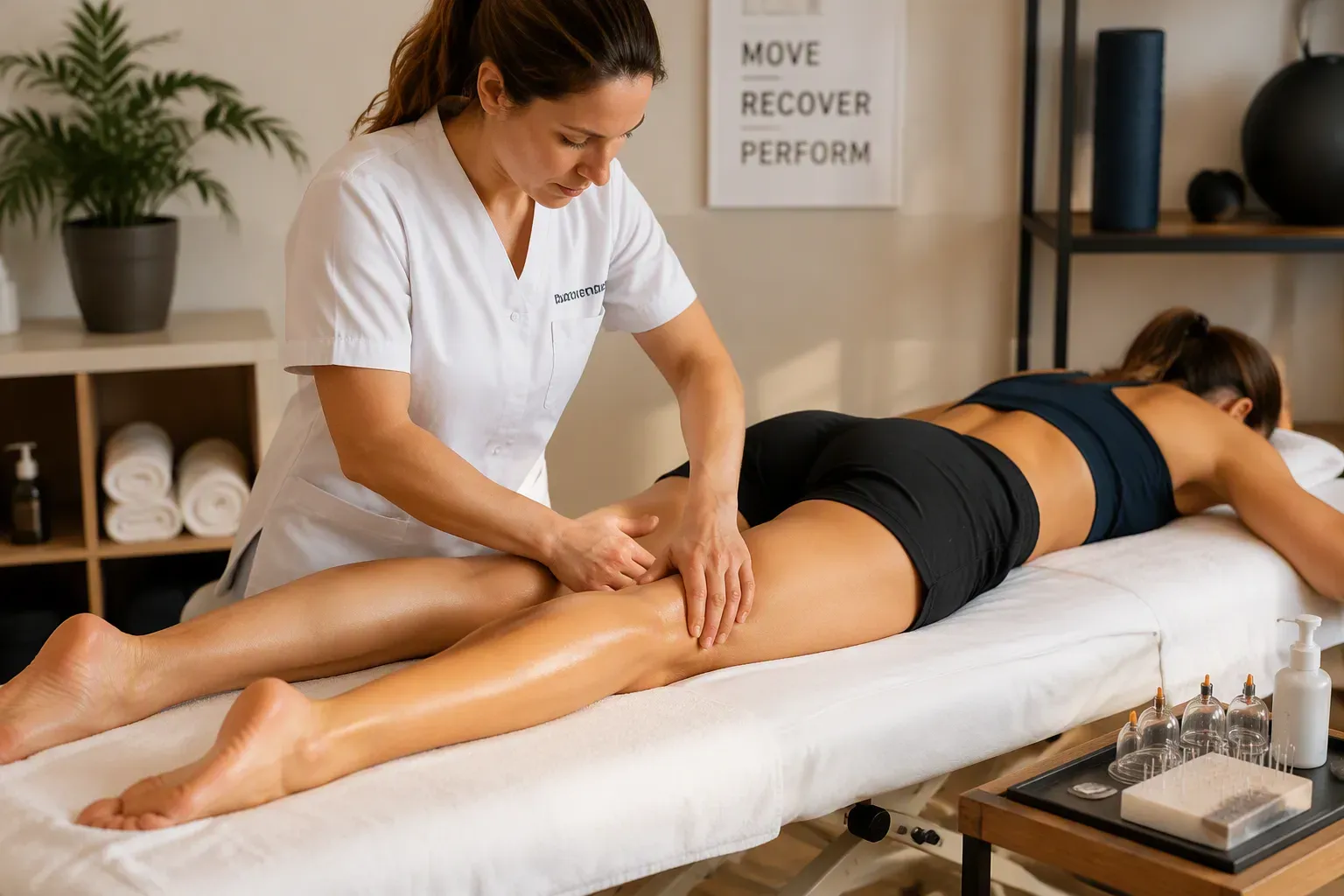
Watford Injury Clinic treats the whole person, not just the painful spot. Your runners knee and shin splint sports therapy treatment combines deep tissue massage, medical acupuncture, vacuum cupping, and osteopathic techniques. This holistic approach tackles every layer of your injury. Manual therapy calms angry tissues. Corrective exercise rebuilds your strength. Gait retraining fixes your form. Together, these methods deliver lasting pain relief.
Manual Therapy Techniques
Deep tissue massage forms the backbone of your treatment. Your therapist applies firm, sustained pressure to the deeper layers of muscle and fascia that tighten around your shin and calf during overuse. This technique releases knots, improves flexibility, and prevents scar tissue build-up—a common cause of recurring shin splints. By promoting blood flow and easing tight fascia, it encourages removal of metabolic waste. Your tissues recover more efficiently. Recovery time shrinks.
Medical acupuncture and vacuum cupping add another dimension. These modalities target trigger points that refer pain into your knee and lower leg. Osteopathic joint mobilisation restores normal movement at your kneecap and ankle. Your physical therapist may also apply rigid taping to unload irritated structures. This immediate support reduces pain during daily activities. Research confirms that taping, orthotic management, and manual therapy work alongside prescriptive exercise to decrease pain. You feel the difference from your first session.
Corrective Exercise and Gait Retraining
Hands-on treatment alone cannot fix the underlying weaknesses. Your running physical therapy program must rebuild strength and correct movement patterns. Your physical therapist starts with a comprehensive assessment. Gait analysis and movement screening reveal your unique weak links. Then your rehabilitation program follows a structured progression.
Phase one focuses on settling pain and activating dormant muscles. Isometric quadriceps holds, wall sits at comfortable angles, and glute bridges wake up stabilisers. Side-lying hip abduction and clams target the gluteus medius. You perform these exercises most days. Resting pain drops noticeably within the first week.
Phase two builds strength and control. Deeper squats, split squats, step-ups, and lunges challenge your legs under load. Band-resisted hip work improves knee alignment. Single-leg balance exercises enhance proprioception. A documented case study of a 28-year-old with shin splints shows the power of this combined protocol. Manual therapy, stretching, and progressive strengthening reduced resting pain from 4/10 to 2/10 within one week. Activity-related pain fell to 2/10 by week two.
Phase three prepares you for sport-specific demands. Eccentric heel drops, pogo jumps, and plyometrics load your tissues progressively. Gait retraining runs alongside this strengthening. Your therapist analyses your running style. Many runners display gluteal weakness leading to a narrow crossover gait. Simple adjustments—widening your step width, increasing cadence, reducing over-stride—alter forces transmitted through your lower leg. Knee flexion at heel strike improves. Stress on your tibia decreases. Your shin splints therapy treatment becomes complete.
This structured shin splints sports therapy treatment also prevents recurrence. Guidelines recommend strengthening daily for several weeks. Expect normal flare-ups during your program. They do not signal failure. Your therapist adjusts difficulty as exercises become easier. Movement retraining with mirror feedback or hands-on cues helps you control knee alignment under load.
Your running journey culminates in a confident return to the roads. This comprehensive runners knee and shin splint sports therapy treatment yields results that rest alone cannot achieve. Book your assessment with Mike Minerve at Watford Injury Clinic. Take the first step towards pain-free running today.
Best Pain Relief for Shin Splints
When that sharp ache travels down your shin with every footfall, you need answers fast. You want the best pain relief for shin splints, and you want it now. Quick fixes exist, but lasting freedom from this condition demands a smarter strategy. Let’s separate what works from what merely masks the problem.
R.I.C.E. and Compression Support
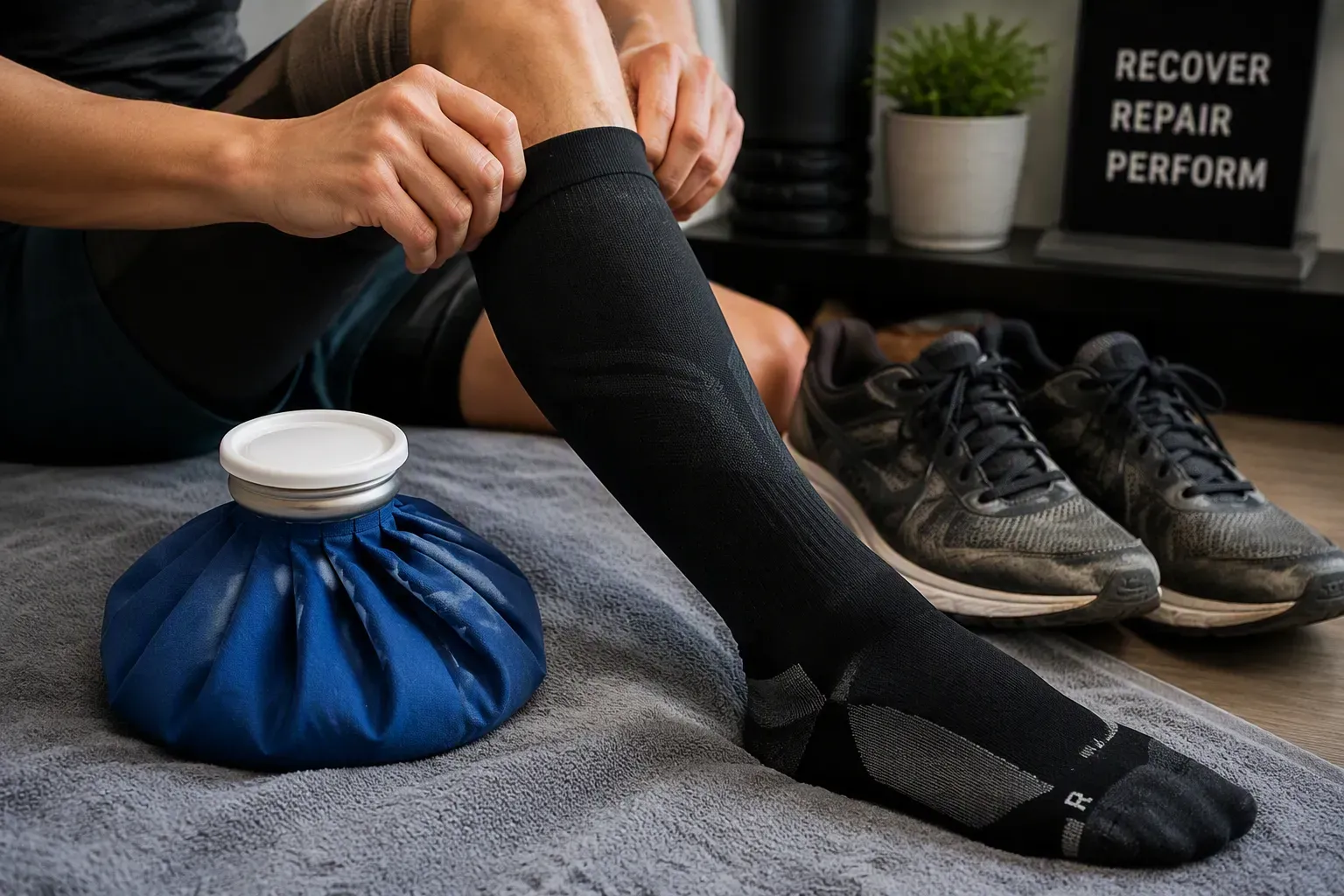
The R.I.C.E. method remains your first line of defence. Rest your legs by swapping high-impact running for swimming or cycling. Ice the painful area for several minutes every few hours to calm inflammation. Compression wraps and elevation help manage swelling. This approach delivers immediate running pain relief, yet it only addresses symptoms.
Compression sleeves deserve special attention. These snug garments work through several mechanisms at once. They reduce muscle vibration along your shin, minimising the repetitive micro-trauma that fuels your pain. Graduated compression improves blood flow, delivering oxygen-rich blood to damaged tissues while clearing metabolic waste. Consistent pressure decreases swelling and provides external support to your tibialis muscles. Wearing compression clothing during running can improve endurance and reduce muscle pain, damage, and inflammation. That evidence supports using sleeves during your recovery.
You should also examine your footwear. Running shoes lose cushioning over time. Worn-out shoes transmit more force to your lower legs. Replace them regularly. Choose softer trails over concrete pavements when possible. These adjustments reduce impact stress significantly.
Over-the-counter anti-inflammatory medicines may help manage pain. Do not rely on them alone. They mask symptoms without fixing underlying weaknesses. Ignoring pain or rushing back to high-impact activity guarantees recurrence. The real solution lies deeper.
Running Therapy for Long-Term Relief
The best pain relief for shin splints comes from addressing why your shins hurt in the first place. Running sports therapy identifies your unique biomechanical faults and corrects them systematically. Your therapist begins with a thorough assessment of your gait and movement patterns. This evaluation reveals weaknesses you never knew you had.
Your running sports therapy program targets the large muscle groups that control leg movement. Strong glutes and quadriceps help your knee track correctly and reduce strain on your lower leg. Hip strengthening exercises focus on rotation, abduction, and extension. Foot and shin exercises target the arch muscles and improve lower leg stability. General strength training for feet, ankles, calves, and hips builds a resilient foundation.
Your therapist may also recommend stride adjustments. Increasing your step rate or shortening your stride length reduces impact forces dramatically. These small changes alter how much stress travels through your tibia with each footstrike.
Professional guidance makes the difference between temporary relief and permanent recovery. A skilled therapist teaches you home stretching and strengthening exercises while using appointment time for massage and manual therapy. They may suggest orthotics and support devices to correct foot mechanics. This combined approach delivers lasting results.
Your structured program progresses gradually. Each week builds strength and confidence. You learn to listen to your body. You understand the difference between productive discomfort and warning pain. Within weeks, you notice the ache fading. Running becomes enjoyable again. You achieve the pain-free movement you deserve.
Do not settle for temporary fixes. Choose a treatment that addresses root causes. Book your assessment with Mike Minerve at Watford Injury Clinic. Your return to pain-free running starts with one decision. Make that decision today.
Shin Splints Physical Therapy Treatment
Your shin splints sports therapy treatment begins with a thorough assessment. Your therapist takes a detailed history of your symptoms. They examine your movement patterns to uncover the root cause. You receive clear feedback about your condition. Your therapist prescribes specific exercises and stretches for self-management. Follow-up sessions track your progress and adjust your plan.
Gait analysis forms a critical part of this evaluation. Slow-motion video reveals specific movement faults linked to shin splints. Your therapist identifies your unique issues. Overstriding places excessive stress on your tibia. A crossover gait loads your shins unevenly. Medial collapse forces your lower leg inward. Each finding directs your treatment plan. Your running physical therapy targets these faults directly.
Taping techniques provide immediate pain relief. Kinesiology tape uses a wave pattern adhesive that moves with your skin. It lifts the skin to promote blood flow around your shin muscles. Your therapist applies specific patterns for your needs. For trigger points, they place tape at light tension over muscle knots. For anterior tibialis pain, Y-shaped strips stretch across the sore area. This support reduces discomfort during daily activities. You feel the difference straight away.
Strengthening and Stretching Protocols
Manual therapy and taping calm your symptoms. True rehabilitation demands strengthening. Your shin splints physical therapy treatment rebuilds the muscles that failed you. The following table shows your core exercise program.
Exercise | Description | Parameters |
|---|---|---|
Front Foot Elevated Split Squat | Start with front foot elevated, drive front knee forward until unable to lower further; back knee can bend or stay straight. | Perform challenging controlled repetitions, adding weight as needed. |
Single Leg RDL w/ Knee Drive | Stand on one leg, hinge at hips until trunk nearly parallel to ground, then drive knee upward without touching foot down. | Perform challenging controlled repetitions, using hands for balance if needed. |
Heel Raise | Stand on one leg at edge of step; rise onto ball of foot as high as possible, then lower until calf stretch. | Perform challenging controlled repetitions, progressing from two legs or flat ground if needed. |
Dorsiflexion | Sit with ankle hanging off bench, attach band or weight to foot; bring top of foot toward face. | Perform controlled repetitions at a steady pace. |
Standing Fire Hydrant | Stand on one leg with band around knees; spread band by separating knees, hold still. | Perform holds for a challenging duration per leg. |
Plyometric Exercises | Perform explosive jumps (max vertical or lateral) with takeoff and soft landing on balls of feet; progress with weight vest. | Perform bouts of work and rest, repeated several times per week. |
Your therapist adjusts these exercises as you progress. You start with basic movements and build toward plyometrics. This strength phase prepares you for your return to running. Your running sports therapy program now includes sport-specific demands. You learn to control knee alignment under load. Your shin splints physical therapy treatment becomes complete.
Prevention and Return to Running
Your treatment at Watford Injury Clinic has resolved your pain. Now you want to stay on the road for good. Prevention requires a two-pronged approach. You build strength and flexibility. You also follow a gradual training progression. Your therapist designs a personalised plan that addresses your unique weaknesses. This strategy stops shin splints and runner’s knee from returning.
Building Strength and Flexibility
Strength training forms the foundation of your prevention plan. Strong quadriceps stabilise your knee joint and absorb impact. Powerful glutes control hip alignment and prevent knee valgus collapse. Research shows that combining quad and glute strengthening gives the best results. Your therapist includes exercises like the squat and reverse towel lunge. Your rehabilitation continues with this structured strength work.
Flexibility training complements your strength exercise. You begin each workout with a dynamic warm-up. Leg swings, high knees, and lunges activate your muscles and joints. This routine reduces muscle tension and prevents the imbalances that lead to shin splints. The toe-drag stretch targets the shin muscles directly. It releases tension at the root cause. Stretching your calves, hamstrings, and shins reduces overall tightness in your lower legs. Your therapist guides you through this complete routine.
Gradual Training Progression
Your return to sport follows a careful progression. Limit increases to your weekly mileage. Do not raise it by more than 10% of your current weekly mileage. Small spikes in mileage increase injury risk significantly. Doubling your mileage raises risk considerably. Patience matters.
Your structured program includes varied workouts, cross-training, and rest days. Low-impact activities like swimming or cycling reduce repetitive pounding. Maintain proper running form. Land softly on your mid-foot under your body’s centre of gravity. Avoid overstriding. Include rest days weekly for tissue repair. Apply ice packs and use compression sleeves after runs. This activity modification keeps you moving forward.
Your therapist monitors your progress and adjusts your return to run program. You follow a clear return to run program that builds your mileage safely. You achieve pain-free running with confidence. These injury prevention strategies become your new normal. You stop overuse injuries before they start.
Runner’s knee and shin splints need not end your running journey. You now understand the root causes: biomechanical faults and training errors. The right treatment combines manual therapy, corrective exercise, and gait retraining. Watford Injury Clinic delivers this proven pathway through a personalised program tailored to your body.
Mike Minerve brings extensive clinical expertise to every assessment. His reputation is built on consistent, life-changing results.
Stop guessing about your injuries. Book your one-to-one assessment today. Your therapist will design your return to run program and guide you toward lasting relief. Take the first step towards pain-free running today.
FAQ
How quickly will I notice results from treatment?
Most runners feel meaningful relief early in treatment. Your therapist releases tight tissues and activates weak muscles immediately. Resting pain often drops noticeably during the first week. Full recovery takes longer, typically requiring consistent work over several weeks. Your commitment determines your outcome.
Can I keep running while receiving treatment?
You may need to modify your running temporarily. Your physical therapist will assess your pain levels and movement quality. Low-impact cross-training like swimming or cycling maintains fitness without aggravating your shin splints. Follow your personalised program strictly. Rushing back too soon prolongs your recovery and risks further injuries.
What makes this different from resting at home?
Rest alone rarely corrects the underlying biomechanical faults causing your pain. Your runners knee and shin splint sports therapy treatment combines hands-on techniques with corrective exercise. Your therapist identifies weak links through gait analysis. This targeted approach delivers lasting results rather than temporary running pain relief. You fix the root cause, not just symptoms.
Will I need ongoing appointments forever?
No. Your program builds independence from the start. You learn self-management techniques during each session. Your therapist gradually reduces appointment frequency as you progress. Most runners transition to occasional maintenance visits. The goal remains pain-free running without constant professional support.
How do I prevent these problems from returning?
Follow your graduated return-to-run plan. Increase weekly mileage by no more than ten percent. Maintain your strengthening routine regularly. Replace worn footwear regularly. Listen to your body’s warning signals early. These prevention strategies keep you on the roads consistently.