Understanding the Difference Between Dry Needling and Acupuncture
Introduction
Dry needling and acupuncture are two alternative therapies that involve the use of needles, but they have distinct techniques and principles. Dry needling focuses on targeting trigger points in muscles to provide pain relief and improve mobility. On the other hand, acupuncture aims to restore energy balance in the body by inserting needles into specific points along meridians. Understanding the differences between these therapies is crucial for patients and healthcare professionals to choose the most suitable treatment option. By exploring the unique characteristics of dry needling and acupuncture, individuals can make informed decisions about their healthcare journey.
Techniques
Dry needling and acupuncture employ different techniques to achieve their therapeutic effects.
Dry Needling
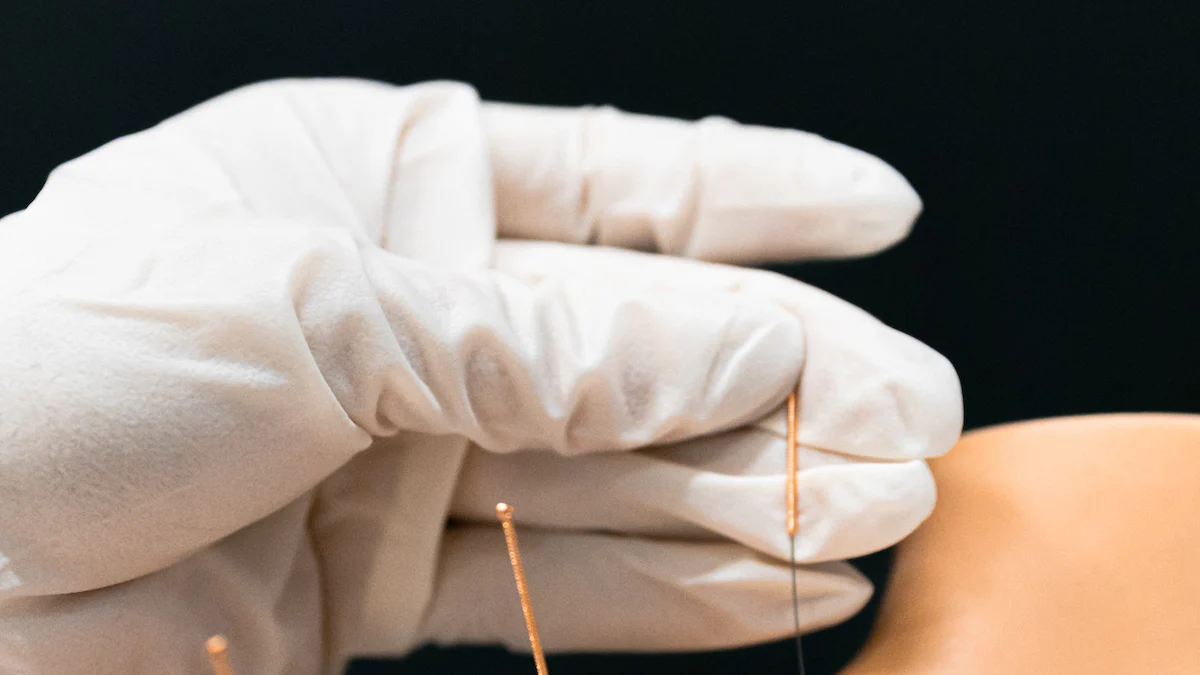
Dry needling is a technique that targets trigger points in muscles to relieve pain and improve mobility. Trigger points are hyperirritable spots within a muscle that can cause pain, tightness, and restricted movement. During a dry needling session, thin filiform needles are inserted directly into these trigger points. The needles stimulate the release of tension and promote blood flow to the affected area, which helps alleviate pain and restore normal muscle function.
The practice of dry needling is based on neuroanatomy and the musculoskeletal system. It focuses on addressing the physical aspects of pain by targeting specific areas of muscular dysfunction. This technique is commonly used by healthcare professionals such as manual therapists, and sports medicine specialists to treat conditions like muscle strains, myofascial pain syndrome, and chronic musculoskeletal pain.
Acupuncture
Acupuncture is an ancient Chinese practice that aims to restore energy balance in the body. According to Traditional Chinese Medicine (TCM), energy or Qi flows through specific pathways called meridians. When there is an imbalance or blockage in the flow of Qi, it can lead to various health issues. Acupuncture involves inserting thin needles into specific points along these meridians to stimulate the body’s natural healing response.
Unlike dry needling, acupuncture takes a holistic approach by considering the overall well-being of an individual. The goal is not only to alleviate symptoms but also to address underlying imbalances in the body. Acupuncture sessions may involve additional techniques such as moxibustion (the burning of dried herbs near the skin) or cupping (the use of suction cups on the skin) to enhance treatment outcomes.
Acupuncture has been used for thousands of years in China and has gained popularity worldwide for its potential benefits in managing various conditions including chronic pain, stress-related disorders, and digestive issues.
Understanding the distinct techniques employed in dry needling and acupuncture can help individuals make informed decisions about which therapy may be most suitable for their specific needs.
Origins
Understanding the origins of dry needling and acupuncture provides valuable insight into their historical development and cultural contexts.
Dry Needling
Dry needling is a relatively modern therapy that was developed in the 20th century by Janet G. Travell, an American physician. Dr. Travell was a pioneer in the field of pain management and musculoskeletal medicine. She recognized the potential benefits of inserting needles into trigger points to alleviate pain and improve muscle function.
The practice of dry needling originated from Western medicine and physical therapy. It draws upon scientific knowledge of neuroanatomy and the musculoskeletal system to target specific areas of muscular dysfunction. Over time, dry needling has gained recognition as an effective treatment option for various musculoskeletal conditions.
Acupuncture
In contrast, acupuncture has a rich history dating back thousands of years in ancient China. It is an integral part of Traditional Chinese Medicine (TCM), which encompasses a holistic approach to health and well-being. The exact origins of acupuncture are difficult to trace, but it is believed to have evolved over centuries through observations, experiences, and philosophical principles.
Acupuncture is deeply rooted in Chinese culture and influenced by Taoist philosophy. It is based on the concept that energy or Qi flows through meridians in the body, connecting various organs and systems. By stimulating specific acupuncture points along these meridians, balance can be restored, promoting overall health and wellness.
The long-standing history of acupuncture reflects its enduring popularity as a complementary therapy worldwide. Its effectiveness in managing various health conditions has been extensively studied and documented.
By understanding the origins of dry needling and acupuncture, individuals can appreciate how these therapies have evolved within different cultural contexts and medical traditions. This knowledge contributes to a deeper understanding of their underlying principles and approaches to healing.
Principles
The principles underlying dry needling and acupuncture differ in their focus and approach to addressing health concerns.
Dry Needling
Dry needling primarily focuses on the physical aspects of pain relief. It targets specific trigger points within muscles that are causing pain, tightness, or restricted movement. By inserting thin needles directly into these trigger points, practitioners aim to release tension, improve blood flow, and promote healing in the affected area.
The practice of dry needling is based on neuroanatomy and the musculoskeletal system. It takes into account the understanding of how nerves and muscles interact to create pain and dysfunction. By targeting these specific areas of muscular dysfunction, dry needling aims to restore normal muscle function and alleviate pain.
Acupuncture
Acupuncture takes a holistic approach to address imbalances in the body. It recognizes that health issues can arise from disruptions in the flow of energy or Qi throughout the meridians. The goal of acupuncture is to restore balance by stimulating specific acupuncture points along these meridians.
By inserting fine needles into these points, acupuncturists aim to regulate the flow of Qi, remove blockages, and promote overall well-being. Acupuncture views the body as an interconnected system where imbalances in one area can affect other areas as well. Therefore, treatment may involve addressing not only the symptoms but also underlying imbalances that contribute to those symptoms.
Acupuncture’s principles are deeply rooted in Traditional Chinese Medicine (TCM), which emphasizes harmony between mind, body, and spirit. It considers various factors such as lifestyle, emotions, diet, and environment when assessing an individual’s health condition.
Understanding the principles behind dry needling and acupuncture helps individuals recognize their different approaches to healing. While dry needling focuses on targeted physical relief through trigger point stimulation, acupuncture takes a broader perspective by addressing imbalances in energy flow throughout the body.
Conclusion
In conclusion, dry needling and acupuncture are two distinct therapies that differ in their techniques and principles. Dry needling focuses on providing physical pain relief by targeting specific trigger points within muscles. It is based on neuroanatomy and the musculoskeletal system. On the other hand, acupuncture takes a holistic approach to address imbalances in the body’s energy flow. By stimulating specific points along meridians, it aims to restore balance and promote overall well-being.
Understanding these differences is crucial for patients and healthcare professionals when considering suitable therapy options. By recognizing the unique characteristics of dry needling and acupuncture, individuals can make informed decisions about which treatment may be most beneficial for their specific needs.