
![Taping for [search-term] in [location]](https://static.berqwp.com/watfordinjuryclinic.co.uk/mw1920-q80-webp/https://watfordinjuryclinic.co.uk/wp-content/uploads/2025/07/1f0c9b420ea246b5bd90de3ed7e588ce.webp)
How Sports Therapy Supports Athletes with Golfers Elbow and Other Injuries
If you play golf, you know elbow pain can ruin your game. About one in four amateur golfers get elbow injuries each year. Sports therapy for golfers elbow at Watford Injury Studio helps with pain relief. It also helps you heal faster and stops injuries from coming back. This means you can go back to golf and feel sure of yourself.
Key Takeaways
Sports therapy gives good pain relief and special recovery plans. These help golfers heal quicker and stop injuries from happening again. Proper warm-ups, strength training, and good swing mechanics lower the chance of common golf injuries. These injuries include golfers elbow, back pain, shoulder pain, and wrist pain. Early treatment and regular rehabilitation help golfers stay healthy. They also help golfers play better and enjoy the game without being scared of getting hurt.
Sports Therapy for Golfers Elbow

Pain Relief Approaches
You do not need to let pain stop you from playing golf. Sports therapy for golfers elbow at Watford Injury Studio gives real help. You get checked when you arrive. Mike Minerve, the main therapist, looks at how you move and stand. He also asks about your daily habits. He finds out what is causing your pain, not just the signs.
There are different ways to treat your pain. Deep tissue massage helps tight muscles relax and gets blood moving better. Medical acupuncture and dry needling help with tough pain and swelling. These treatments work well for elbow injuries and help you feel better fast. If you have muscle knots or tightness, massage guns and vibration therapy can help loosen them. This makes it easier to move.
Some golfers think bigger swings are always better. This is not right. Swinging harder without training can hurt your back and make your posture bad. It is better to build strength and flexibility first. Sports therapy for golfers elbow teaches you safe ways to move and helps you avoid mistakes.
Tip: Do not ignore pain in your elbow. Getting help early stops small problems from turning into big injuries.
Recovery and Rehabilitation
You want to play golf again soon. Sports injury rehabilitation at Watford Injury Studio gives you a clear plan. You start with gentle physical therapy to help you move and feel less pain. Corrective exercise helps you make your forearm, wrist, and shoulder stronger. This makes your swing smoother and keeps your elbow safe.
Your recovery plan is made just for you. Mike uses his skills to help you at every step. He might use spinal manipulation to help your posture and balance. He also shows you golf exercises that fit your level. These exercises help you heal faster and play better.
Physical therapy does more than fix your injury. It helps you learn about your body and stop new problems. Some people think weight training makes you stiff or hurts your golf swing. Studies show this is not true. Resistance training makes you more flexible and stronger. Even top golfers like Tiger Woods use strength training to play better.
Sports therapy for golfers elbow is not just about quick fixes. It is about staying healthy for a long time. You learn how to warm up, stretch, and move with confidence. You get help at every part of your recovery and rehabilitation. Watford Injury Studio gives you what you need to stay safe and enjoy golf for many years.
Common Golf Injuries
Golfers Elbow
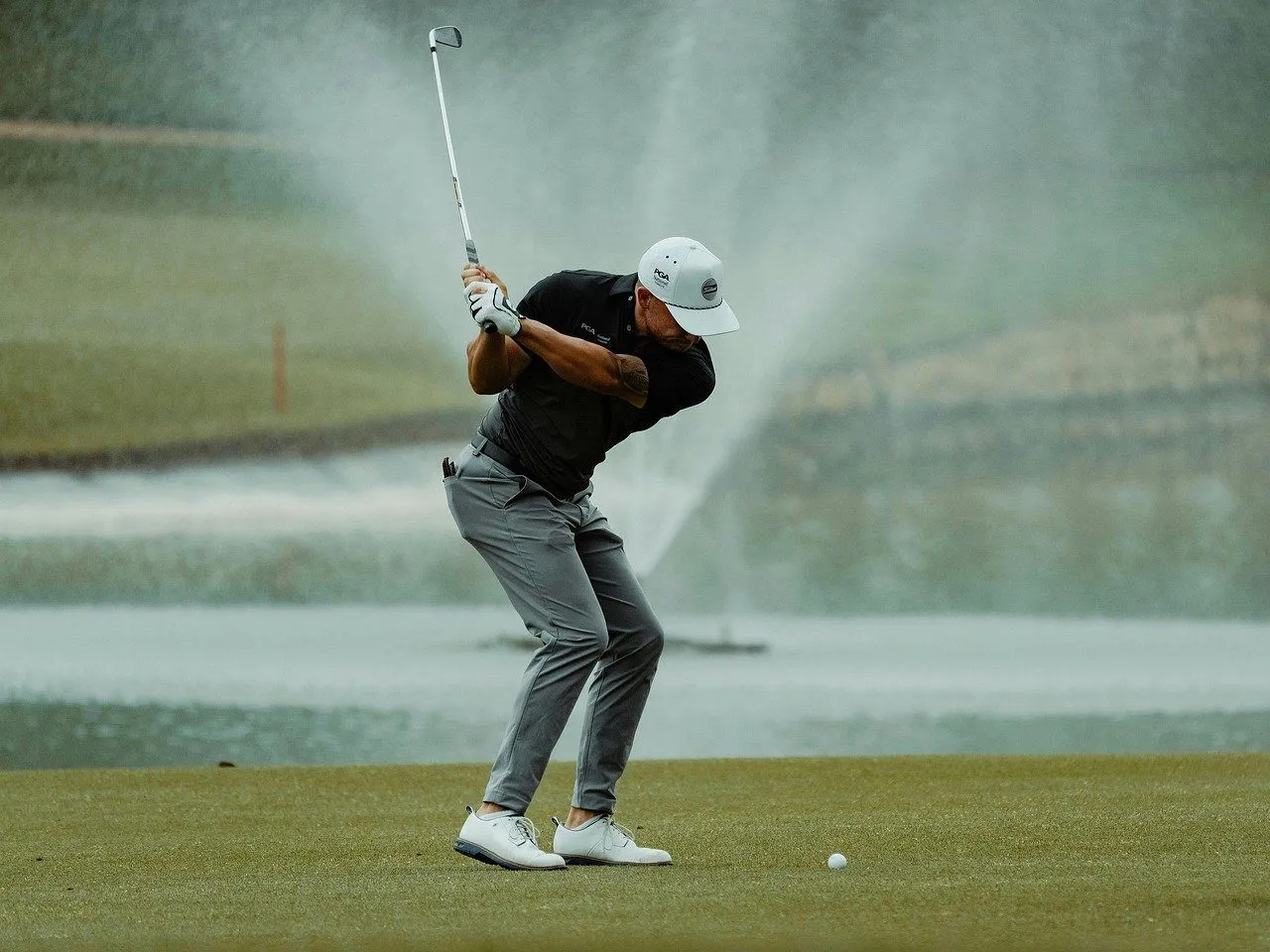
Golfers’ elbow is one of the most common golf injuries you can face. This injury causes pain on the inside of your elbow. You might feel it when you grip your club or swing. If you ignore this pain, it can get worse and stop you from playing golf. You need to act early. Sports therapy helps you recover faster and avoid long-term problems. At Watford Injury Studio, you get a plan that fits your needs. You learn how to move better and protect your elbow. This support helps you enjoy golf without fear of injury.
Note: Early treatment for golfers’ elbow keeps you on the course and prevents bigger problems.
Back, Shoulder, and Wrist Injuries
You may not realise how many common golf injuries affect your back, shoulder, and wrist. These injuries often come from poor swing mechanics or skipping your warm-up. Studies show that faulty swings can raise your risk of injury by up to 40%. You put extra strain on your muscles and joints when you set up or follow through incorrectly. This can lead to pain in your lower back, shoulders, or wrists.
Poor swing mechanics and lack of flexibility cause many golf injuries.
Repetitive twisting motions lead to lower back pain for 28% of players after every round.
Overuse and bad technique often result in shoulder and wrist injuries.
You can lower your risk by learning proper swing techniques and building strength in your core, hips, and wrists. Simple exercises like planks, squats, and wrist curls make your body stronger and your swing more consistent. When you take care of your body, you play golf with less pain and more confidence.
Golf Injury Prevention
Warm-Up and Stretching
You can stop injuries before you start playing golf. Many golfers do not warm up or only stretch for a short time. This makes it easier to get hurt. To prevent golf injuries, do dynamic warm-ups and resistance exercises. These help your muscles get ready and make you play better.
Dynamic warm-ups get your blood moving and help your joints.
Resistance exercises wake up the muscles you use to swing.
Static stretching does not help as much and can slow you down.
Tip: Warm up for at least 10 minutes before you play. This easy step helps stop injuries and keeps you strong.
Strength and Flexibility
Getting stronger and more flexible helps stop golf injuries. You keep your elbows, wrists, and shoulders safe when you train right. Try these easy exercises:
Eccentric wrist flexion with a light dumbbell makes your tendons stronger and lowers pain.
Finger extensions with a rubber band help your grip and support your forearm.
Slow, careful moves stop strain and keep your joints safe.
Always start with light weights and use good form. These steps help you avoid injuries and let you play golf longer.
Swing Mechanics
Good swing mechanics are important for stopping golf injuries. You need to set up and move the right way to protect your body. The table below shows changes you can make to help prevent injuries:
Biomechanical Adjustment / Recommendation | Explanation / Support |
|---|---|
Proper setup position and alignment | Hips and knees bent a little; arms hang loose; hips, feet, and shoulders in line with target; left shoulder a bit higher than right. |
Weight shift and sequential energy release | Move weight from right to left foot during downswing; turn hips; let energy move from ground up. |
Hip flexibility | Helps you turn well and lowers injury risk. |
Trunk strength and endurance | Supports your spine and controls your swing. |
Core stability exercises | Planks and turning drills help your trunk stay strong. |
Correction of faulty swing mechanics | Lowers stress on your muscles and joints. |
Warm-up routines | |
Strength and power training | Makes your trunk, hips, and shoulders stronger for better control. |
You can make these steps part of your routine. Focus on your setup, train your core, and always warm up. These habits keep you safe and help you play your best golf.
Recovery Strategies for Golf Injuries
Self-Management Tips
You can take control of your recovery after a golf injury. Start with the R.I.C.E method: Rest, Ice, Compression, and Elevation. This simple approach reduces swelling and pain in the first days. Use active recovery to keep your body moving. Gentle stretching and light physical therapy exercises help you heal faster. Massage guns and foam rollers work well for sore muscles. These tools improve blood flow and ease tension. You can use them at home to support your sports injury rehabilitation.
Stay consistent with your rehabilitation plan. Do not rush back to golf before your body feels ready. Focus on functional rehabilitation. This means you practise movements that match your golf swing and daily life. You build strength and flexibility, which helps with injury prevention. Physical therapy sessions guide you through safe exercises. You learn how to protect your joints and avoid future problems.
Tip: Listen to your body. If pain gets worse or does not improve, take a break and reassess your routine.
When to Seek Professional Help
Sometimes, self-care is not enough. You should see a sports injury rehabilitation expert if you notice any of these signs:
Pain lasts more than six to eight weeks, keeps you awake, or feels sharp during simple tasks.
You see swelling, redness, or feel warmth around the joint. Your grip feels weak or stiff.
You cannot fully bend or straighten your arm. You notice numbness, tingling, or a change in shape.
Everyday tasks become hard. You struggle to lift objects or your sleep suffers from pain.
Severe pain, numbness beyond the elbow, or clicking in the joint means you need urgent care.
A specialist at Watford Injury Studio can assess your injury and create a personalised sports injury rehabilitation plan. Early intervention prevents long-term problems and speeds up your return to golf.
Optimising Golf Performance
Physical Conditioning
You want to play your best every time you step onto the golf course. Physical conditioning gives you the edge. Strong muscles help you swing with more power and control. Flexible joints let you move smoothly and avoid strain. You build endurance so you can finish every round feeling fresh.
Try these steps to boost your golf performance:
Train your core with planks and twists. A strong core supports your swing and keeps your back safe.
Add resistance exercises for your legs and shoulders. Squats and shoulder presses help you stay balanced and steady.
Stretch your hips and wrists. Flexible joints let you swing freely and reduce your risk of injury.
Remember: Consistent training helps you hit the ball farther and keeps you on the course longer.
Posture and Biomechanics
Good posture sets the foundation for every great golf shot. You protect your body and improve your accuracy when you stand and move correctly. Follow these key points to optimise your posture and biomechanics:
1. Keep your spine in its natural curve. This supports powerful, accurate swings. 2. Place your weight on the balls of your feet with a slight forward lean. You gain stability and control. 3. Stand with feet shoulder-width apart and parallel. This gives you a solid base for alignment and power. 4. Bend your knees slightly. You stay balanced and ready to move. 5. Rotate your hips as you swing. Hip movement drives power and direction. 6. Align your shoulders with your target. This helps you hit the ball where you want. 7. Relax your arms and keep a gentle bend in your elbows. Tension slows your swing and reduces control. 8. Prepare your mind. Visualise your shot and breathe deeply to stay focused and relaxed.
You can master these basics and see real improvement in your golf game. Better posture means fewer injuries and more consistent shots.
You should be able to play golf without worry or pain. Sports therapy helps you feel better, heal quicker, and stay safe for longer. Studies show that getting help from experts keeps you healthy and active for a long time. Pick Watford Injury Studio. Have fun every game and keep your body fit.
Look after your golf game—staying safe and getting help means you can keep playing.
FAQ
How soon should you start sports therapy after a golf injury?
You should start as soon as possible. Early treatment helps you heal faster and prevents small problems from becoming serious.
Can sports therapy at Watford Injury Studio help prevent future injuries?
Yes. You learn safe movement, build strength, and improve flexibility. You protect your body and enjoy golf with less risk.
What should you bring to your first appointment?
Bring comfortable clothes, your medical history, and details about your golf routine. This helps your therapist create the best plan for you.