What causes runner’s knee, other running injuries and how sports therapy can help
You enjoy running in Watford, but knee pain can bring your progress to a halt. Runner’s knee is a common issue for many people in your area. Consider these facts:
Statistic | Value/Percentage |
|---|---|
Annual injury incidence | |
Most common injury site | Knee (including runner’s knee) |
Proportion of runner’s knee | 16.7% of injuries |
Runner’s knee can slow you down, but sports therapy for runner’s knee and other injuries can provide effective relief and support your return to running.
Key Takeaways
Runner’s knee and other running injuries can happen if muscles are weak, if you run with bad form, or if you make mistakes when training. Making your hips and quadriceps stronger can help stop pain and injury.
Seeing a sports therapist early can help find out why your knee hurts. They can give you a treatment plan just for you. This can include massage, acupuncture, and exercises to help you get better faster.
Learning how to take care of yourself and doing a strength and stretching programme can lower your chance of getting hurt again. This helps you keep running without pain.
Causes and Symptoms
Runner’s Knee
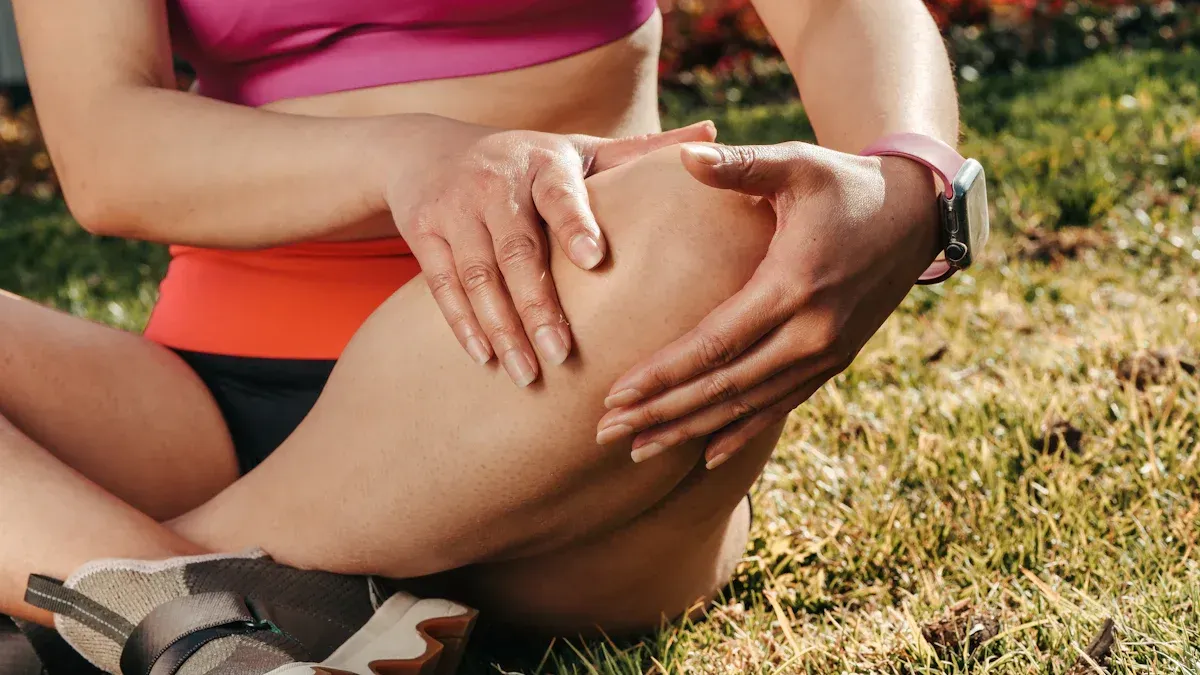
Runner’s knee is a very common injury for runners. You might feel when you run or climb stairs. This pain can also happen when you squat. Runner’s knee can be caused by bending your knee too much. Getting hit on the knee can also cause it. Sometimes, the patellofemoral joint is not lined up right. Weak hip muscles and weak quadriceps can make it worse. If you have flat feet or your feet roll in, your knees get more stress. Training mistakes, like running too far or too fast, can hurt your knees. Bad running form and old shoes can also make things worse. To help prevent runner’s knee, you should make your hips and quadriceps stronger.
Other Running Injuries
Running often can lead to other injuries in your legs and knees. Some examples are:
IT band syndrome: sharp pain on the outside of your knee or thigh.
Achilles tendinitis: pain and stiffness in your Achilles tendon, especially in the morning.
Shin splints: pain along your shin bone after you do more activity.
Plantar fasciitis: heel pain that feels worse when you wake up.
Hamstring strains: dull pain in the back of your upper leg.
Stress fractures: pain that gets worse over time and may swell.
The table below shows some common running injuries and their symptoms:
Injury | Common Symptoms |
|---|---|
Achilles tendinitis | Dull pain above heel, swelling, limited motion |
IT band syndrome | Sharp pain outer knee, worsens bending knee |
Shin splints | Dull pain along shin, mild swelling |
Plantar fasciitis | Heel pain, burning sensation, worse in morning |
Hamstring injuries | Dull pain back of upper leg, stiffness |
Recognising Symptoms
It is important to notice early signs of injury. Runner’s knee often causes pain around or behind your kneecap. You might feel popping or grinding, and your knee can swell after resting. If your pain gets worse when you move, or if you swell, you might have a bad injury. Stiffness in the morning or pain that does not go away is a warning sign. Normal muscle soreness is dull and goes away in a few days. Injury pain is sharp, lasts longer, and can come with swelling or bruises. If pain stops you from doing normal things or does not get better, you should see a professional.
Sports Therapy for Runner’s Knee
Assessment and Diagnosis
When you visit Watford Injury Studio for sports therapy for runners knee and other injuries, you start with a thorough assessment. Mike Minerve, the clinic’s expert sports therapist, uses advanced techniques to find the root cause of your runner’s knee. He watches how you walk and run, checking your gait and posture. This helps him spot any problems with your running style or foot movement.
You may also do a simple test. Stand with your legs straight and tighten your thigh muscles. If your kneecaps do not move as they should, this can show patellofemoral issues. Mike checks for abnormal patella tracking and muscle imbalances. He may use patellar pain tests, like the patellar grind test, to see if your knee hurts when you move it. These clinical tools work well to diagnose runner’s knee before any scans are needed. Imaging, such as MRI or X-ray, is only used if your symptoms do not match the usual pattern or if you need to rule out other problems.
Early and accurate diagnosis gives you the best chance for a quick recovery. You get a clear plan for your runner’s knee treatment right from the start.
Runner’s Knee Treatment
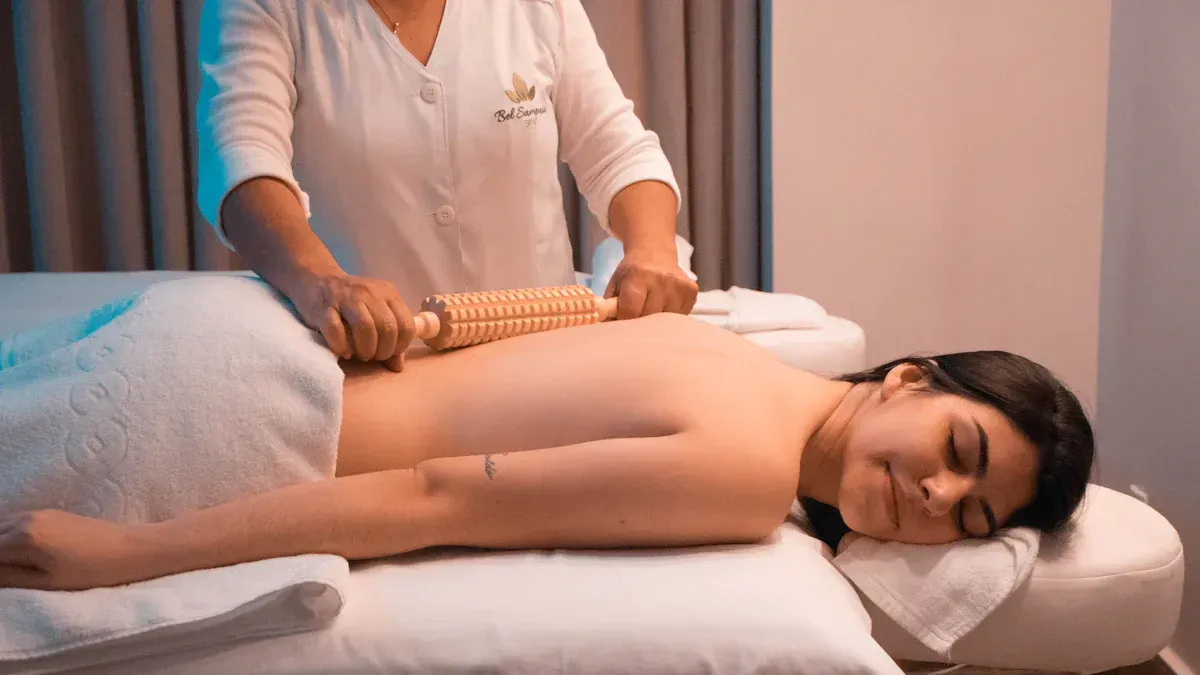
Sports therapy for runners knee and other injuries at Watford Injury Studio focuses on treating both the symptoms and the causes. Mike creates a personalised plan for you. He uses a mix of hands-on therapies and exercise. Deep tissue massage helps release tight muscles and improve blood flow. Remedial massage targets soft tissue pain and helps you move better. Medical acupuncture and dry needling can reduce pain and swelling, especially if you have patellofemoral pain.
A clinical study showed that medical acupuncture can cut pain by almost half in just five weeks. Most people feel much better and can return to running sooner. Deep tissue massage also works well for knee injuries, helping you regain strength and stability. Mike may use massage guns and cupping to speed up your recovery.
You will do knee strengthening exercises and stretches for your hips, hamstrings, and calves. These exercises support your patellofemoral joint and help balance your muscles. Gait training and running technique sessions teach you how to move safely. You learn how to correct your form and avoid putting too much stress on your knees. If you need it, Mike can suggest better shoes or orthotics to improve your alignment.
The best treatments combine manual therapy, exercise, and education. You get a full recovery plan that fits your needs.
Prevention and Recovery
You want to know how to prevent runner’s knee from coming back. Sports therapy for runners knee and other injuries gives you the tools to stay healthy. Mike teaches you about your injury and shows you how to manage it at home. You learn self-management skills, such as using ice after a run, taping your knee, and choosing the right shoes.
A strength programme is key for long-term success. You do hip and glute exercises, like clamshells and side-lying leg lifts. Stretching and foam rolling keep your muscles loose. Mike helps you build a routine that fits your life. He also guides you on how to increase your running distance safely. Cross-training, such as swimming or cycling, keeps you fit without overloading your knees.
Patient education and self-care are vital. You gain confidence to manage your pain and prevent future injuries.
Sports therapy for runners knee and other injuries at Watford Injury Studio gives you the best treatments and ongoing support. You get expert care, a clear plan, and the knowledge to keep running strong. If you want to know how to prevent runner’s knee or need help with patellofemoral pain, book an assessment today and take the first step towards pain-free running.
Other common runners injuries
Hoffas fat pad syndrome
Hoffa’s fat pad syndrome can cause sharp pain in front of your knee. It affects the infrapatellar fat pad, which sits under your kneecap. This area can get swollen when you run, jump, or climb stairs. You might feel burning pain or aching around your kneecap. Sometimes, your knee swells or hurts when you straighten it. You may also feel sharp pain after sitting with your knee bent.
If you do not treat this syndrome, it can make moving hard and stop you from running.
To treat this syndrome, . You should stop doing things that make the pain worse. Physiotherapy makes your quadriceps stronger and helps you move better. Taping and anti-inflammatory medicine can also help. If you do not get better, a doctor might suggest injections or a small surgery.
overuse injuries – Hip, knee and ankle
Runners often get overuse injuries. These injuries start slowly and can hurt your hip, knee, or ankle. The most common ones are patellofemoral pain syndrome, iliotibial band syndrome, meniscal injuries, and patellar tendinitis in the knee. For your ankle and lower leg, you might get plantar fasciitis, Achilles tendinitis, or shin splints. Weak hip abductor muscles can also cause iliotibial band syndrome and knee pain.
Injury Site | Common Overuse Injuries |
|---|---|
Knee | Patellofemoral pain syndrome, iliotibial band syndrome, meniscal injuries, patellar tendinitis |
Ankle/Foot | Plantar fasciitis, Achilles tendinitis, shin splints |
Hip | Hip abductor weakness leading to iliotibial band syndrome |
To stop these injuries, increase your training slowly. Wear good shoes and make your muscles stronger. Always listen to your body and rest if you feel pain.
Achilles tendon pathologies
Achilles tendon pathologies, like Achilles tendinitis, can stop you from running. This syndrome happens from overuse, tight calf muscles, or running too much too soon. You may feel pain, swelling, or stiffness at the back of your ankle. Wearing the wrong shoes or running on hills can make it worse.
You can treat this syndrome with special exercises for your tendon. Work on making your calf muscles stronger and more flexible. It is important to spot the problem early and change your training. Do not get injections, as they do not help most people. If you follow a good rehab plan, you can run again and lower the chance of this syndrome coming back.
You can stop runner’s knee and other injuries if you know what causes them and what signs to look for.
Pain can happen if your muscles are weak, you move the wrong way, or you run too much.
Getting sports therapy early helps you heal faster, get stronger, and avoid getting hurt again.
Seeing a professional and looking after yourself helps you keep running without pain.
FAQ
How soon should you seek sports therapy for knee pain?
Book an assessment as soon as you feel pain. Getting help early helps you heal faster. It also stops your injury from getting worse.
Can sports therapy help prevent future running injuries?
Yes, it can! Sports therapy makes your muscles stronger. It helps you run with better form. You also learn how to look after yourself. This lowers your chance of getting hurt again. You can keep running and feel more confident.
What treatments do you get at Watford Injury Studio – Hertfordshire?
Deep tissue massage
Remedial massage
Medical acupuncture
Dry needling
Corrective exercise plans
You get a plan made just for you. This helps you recover quickly and stay well.