Top 7 Effective Massage Techniques for Lower Back Bulging Disc Relief
Understanding Bulging Discs and the Role of Massage
You’ve probably experienced lower back pain at some point in your life, but a bulging disc introduces a specific kind of discomfort that can be debilitating. Imagine the discs between your vertebrae as jelly donuts, providing cushioning and flexibility for your spine. A bulging disc occurs when the outer, tougher layer of this “donut” weakens, allowing the softer, inner material to protrude outward. While it’s not a full rupture (which would be a herniated disc), this bulge can press on nearby nerves, leading to pain, numbness, or weakness in your lower back, buttocks, and even down your legs. This pressure can be exacerbated by muscle tension and guarding in the surrounding areas, creating a vicious cycle of discomfort.
Managing the pain and symptoms associated with a bulging disc often involves a multi-faceted approach, and massage therapy can be a remarkably effective component of this strategy. However, it’s crucial to understand that not all massage techniques are suitable, and direct pressure on the disc itself must be strictly avoided. The goal of massage in this context is to alleviate muscle spasms, reduce inflammation, improve circulation, and release tension in the muscles that contribute to disc compression, thereby creating a more favorable environment for healing and pain reduction. Always remember to seek clearance from a healthcare clinician before embarking on any new treatment, including massage, to ensure it’s appropriate for your specific condition. Your body is unique, and what works for one person might not be ideal for another.
The Importance of Clinical Clearance
Before you even consider scheduling a massage for a bulging disc, you need to consult with a medical professional. A doctor or physical therapist can accurately diagnose the extent of your disc bulge, identify any nerve impingement, and rule out other potential causes of your back pain. They can also provide guidance on the types of activities and therapies that are safe and beneficial for your condition. Attempting self-treatment or receiving massage without proper clinical assessment can, in some cases, worsen your symptoms or delay appropriate medical intervention. Your clinician will advise you on contraindications and precautions specific to your case, ensuring that any massage you receive is not only effective but also safe. This foundational step is non-negotiable for your well-being.
If you’re seeking relief from a bulging disc in your lower back, you might find it beneficial to explore various therapeutic options, including massage techniques. One effective method is Instrument Assisted Soft Tissue Mobilization (IASTM), which can help alleviate pain and improve mobility. For more information on this innovative approach, you can read the related article on IASTM massage tools at Watford Injury Clinic.
Gentle Approaches: Warming Up and Soothing Tension
When your lower back is in distress from a bulging disc, the last thing you want is an aggressive or painful massage. The initial phases of relief often require a gentle touch, focusing on warming the tissues, reducing muscle guarding, and promoting relaxation without aggravating the underlying disc issue. Think of it as preparing the area for deeper work, or sometimes, as the primary form of intervention during highly painful periods. These techniques prioritize comfort and safety, making them excellent starting points for many individuals experiencing disc-related pain.
1. Gentle Swedish Massage: Effleurage and Light Petrissage
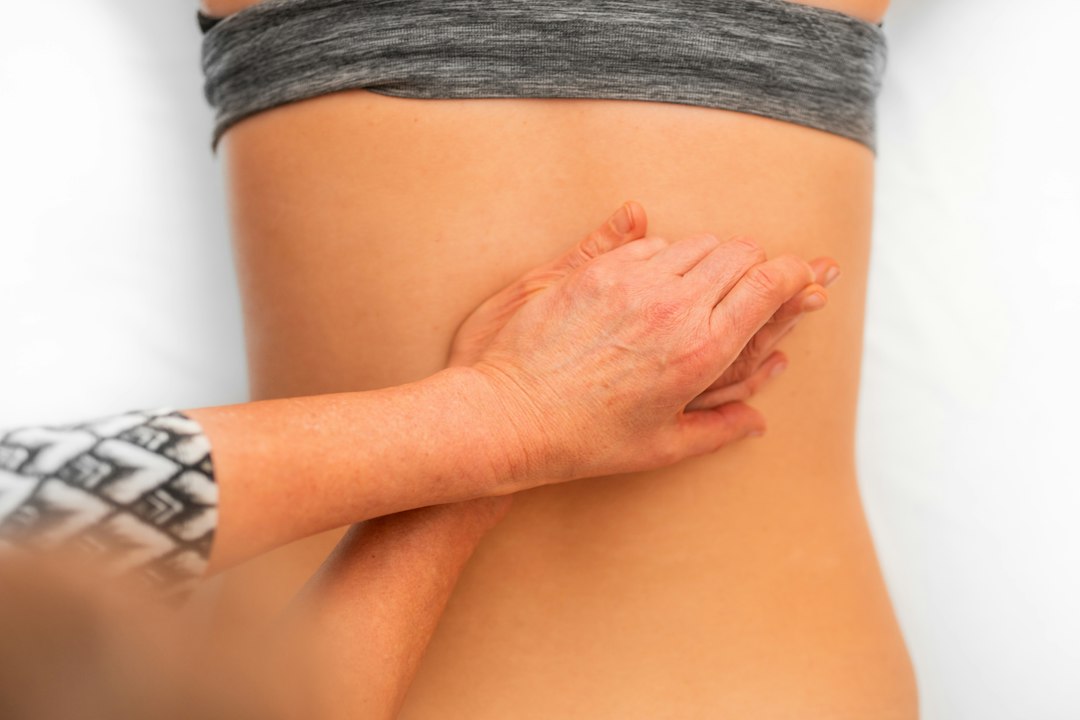
You’ll find that gentle Swedish massage, particularly techniques like effleurage and light petrissage, serves as a cornerstone for addressing lower back bulging disc relief. Imagine long, flowing strokes applied with light pressure over your lumbar area. These strokes, known as effleurage, are designed to warm up the superficial tissues, increase blood flow to the region, and, perhaps most importantly, signal to your nervous system that it’s safe to relax. When your body is in pain, muscles often instinctively tense up or “guard” around the affected disc, a protective mechanism that, while well-intentioned, can actually increase discomfort and perpetuate the pain cycle. Gentle effleurage helps to break this cycle by encouraging these muscles to let go of their protective grip. [15][1]
Following or interspersed with effleurage, light petrissage involves kneading and squeezing motions, still applied with a gentle touch. This technique further helps to release superficial muscle tension and improve tissue pliability without delving into deep, potentially aggravating pressure. During particularly painful phases of a bulging disc, when even mild pressure can be uncomfortable, these gentle Swedish techniques are often the safest and most recommended starting point. They allow your therapist to assess your pain tolerance and tissue response while providing a soothing and therapeutic experience that can lay the groundwork for more targeted work if appropriate. [8][15] You’ll appreciate how these initial, light touches can significantly contribute to your overall comfort and set a positive tone for your recovery journey.
Targeted Relief: Releasing Deep-Seated Tension

Once your tissues are warmed and you’ve established a baseline of comfort, or if your clinician deems it appropriate from the outset, you can often benefit from techniques that delve deeper into the musculature surrounding your spine and hips. These methods aim to address the chronic tension and tightness in specific muscle groups that can contribute to increased compression on your disc or refer pain to other areas. It’s about strategically releasing the grip of these muscles, allowing your spine to decompress and easing the pressure on your bulging disc.
2. Deep Tissue & Myofascial Release of Lumbar and Hip Muscles
You’ll discover that addressing the deeper layers of muscle and fascia is often crucial for long-term relief from a bulging disc. Deep tissue massage, when applied with slow, sustained pressure, can target the paraspinal muscles (the muscles running alongside your spine), the quadratus lumborum (QL) in your lower back, the multifidi (small, deep spinal muscles), the psoas (a deep hip flexor), and the glutes. These muscles, when chronically tight, can exert significant compressive forces on your lumbar spine, thereby increasing pressure on a bulging disc. By carefully and gradually applying deeper pressure, your therapist can help to lengthen and release these tight structures, reducing their pull on your vertebrae and potentially lessening disc compression. [2][5][9]
Myofascial release, a technique that focuses on the fascia (the connective tissue that surrounds muscles, bones, and organs), is another powerful tool in this category. Imagine your muscles as being wrapped in a continuous web. When this web becomes tight or restricted, it can pull on your spine, contributing to pain and limiting movement. Myofascial release involves applying sustained, gentle pressure to release these fascial restrictions. When performed around the spine, and crucially, away from the spinous processes and the direct location of the disc bulge, it can significantly lessen pressure on the bulging disc by improving the flexibility and elasticity of the surrounding tissues. [7][3] You’ll notice the therapist working slowly, allowing the tissue to ‘melt’ and release, rather than forcing it. This approach is paramount to prevent aggravation and ensure the release is effective and gentle, not intense or painful. The goal is to restore the natural slide and glide of tissues, reducing the ‘grip’ on your spinal structures.
3. Trigger Point Therapy to Glutes, Piriformis, and QL
You’re likely familiar with the concept of “knots” in your muscles; these are often trigger points – hyperirritable spots that can cause localized pain or, more commonly with a bulging disc, referred pain that mimics sciatica. Trigger point therapy can be a game-changer for easing this referred sciatic-type pain often associated with a bulging disc, particularly when applied to muscles in your glutes, piriformis (a deep gluteal muscle), and quadratus lumborum (QL). Your therapist will use sustained pressure, often with a thumb or elbow, on these specific tender points, typically holding for 30 to 60 seconds. This sustained compression helps to “reset” the muscle fibers, deactivating the trigger point and reducing the referred pain. [1][7]
For ongoing relief and self-management, self-trigger point work is frequently recommended. You can use simple tools like a lacrosse ball or tennis ball to apply pressure to tender points in your lumbar area and buttocks. By placing the ball on the floor or against a wall and leaning into it, you can control the intensity of the pressure. Holding these tender points for 1 to 2 minutes can help to release tightness and alleviate referred pain between professional sessions. [19][20][16] It’s an empowering way to actively participate in your recovery, allowing you to address muscle tension as it arises. You’ll find that incorporating this into your daily routine, perhaps for just a few minutes, can make a significant difference in managing your symptoms and improving your overall comfort levels. Always listen to your body and avoid anything that increases your pain or causes numbness or weakness.
Prioritizing Safety: Working Around the Sensitive Area
When dealing with a bulging disc, the principle of “do no harm” is paramount. While addressing muscle tension is vital, direct pressure on the vulnerable disc itself can be detrimental. This section emphasizes techniques that provide therapeutic benefits to the surrounding soft tissues while meticulously avoiding any contact or undue pressure on the injured disc, ensuring your safety and promoting healing.
4. Low-Intensity Soft-Tissue Work Around, Not On, the Disc
You must understand that with a bulging disc, the focus of any soft-tissue work is meticulously around the affected area, never directly on the disc itself or the spinous processes that directly overlie it. This low-intensity approach involves very gentle mobilization of the muscles and connective tissues surrounding the damaged disc level. The goal here is to reduce muscle guarding, improve local circulation, and enhance the flexibility of the soft tissues without imposing any compressive or shearing forces on the already compromised disc. [15][8] Imagine your therapist working with a delicate touch, identifying areas of tightness in the erector spinae, multifidi, or QL that might be contributing to spinal compression, and gently encouraging them to relax.
The progression in depth and intensity of this soft-tissue work is always gradual and strictly within your pain tolerance. Your therapist will continually communicate with you, asking for feedback to ensure that the pressure is therapeutic and not causing any discomfort or, critically, any symptom flare-ups. This cautious approach is essential to prevent exacerbating your condition. [15][8] You’ll find that this method respects the vulnerability of your disc while still providing meaningful relief to the surrounding musculature. It’s about listening intently to your body’s signals and adjusting the technique accordingly, making it a truly personalized and safe therapeutic experience. Any increase in numbness, weakness, or radiating leg pain indicates that the pressure might be too much or in the wrong place, and warrants immediate cessation and reassessment.
If you are seeking relief from the discomfort caused by a bulging disc in your lower back, you might find valuable insights in a related article that discusses various therapeutic approaches. For a deeper understanding of how massage therapy can alleviate pain and improve mobility, you can explore this informative piece on the benefits of massage for bulging discs. It offers practical advice and techniques that may enhance your recovery journey. To read more, visit this link for additional resources and information.
Enhancing Relaxation and Tissue Pliability
| Massage Type | Effectiveness for Bulging Disc | Recommended Duration | Frequency per Week | Precautions |
|---|---|---|---|---|
| Swedish Massage | Moderate relief of muscle tension | 30-45 minutes | 2-3 times | Avoid deep pressure on spine area |
| Deep Tissue Massage | Helps reduce muscle stiffness but may aggravate disc if too intense | 20-30 minutes | 1-2 times | Use gentle pressure; avoid direct pressure on bulging disc |
| Myofascial Release | Effective in relieving muscle tightness around affected area | 30-40 minutes | 2 times | Should be performed by trained therapist |
| Trigger Point Therapy | Can reduce referred pain from muscle knots | 15-20 minutes | 1-2 times | Avoid excessive pressure near nerve roots |
| Massage Cupping | May improve circulation and reduce muscle tension | 10-15 minutes | 1-2 times | Not recommended if skin is sensitive or bruised |
Beyond direct manual techniques, integrating modalities that prepare the tissues can significantly amplify the benefits of massage for a bulging disc. Heat, in particular, has a remarkable ability to induce relaxation, improve blood flow, and make tissues more receptive to manual work. This preparatory step can reduce discomfort during the massage and make the release of tight muscles more effective.
5. Hot Stone or Heat-Assisted Massage to Lumbar Region
You’ll discover that the application of heat can be a wonderfully soothing and effective prelude or adjunct to manual therapy for a bulging disc. Hot stone massage, or simply the strategic placement of heated pads, involves positioning warm elements alongside your spine and over your sacrum. The gentle, penetrating heat from these stones or pads serves several crucial purposes. Firstly, it significantly increases circulation to the lumbar region, bringing fresh oxygen and nutrients to the tissues while helping to flush away metabolic waste products. Secondly, and perhaps most immediately noticeable, the warmth profoundly relaxes tight lumbar muscles. [12][6] Imagine the deep, soothing sensation as the heat permeates your muscles, encouraging them to release their chronic tension and guarding.
This relaxation effect is invaluable because tight, spasmodic muscles can exacerbate the pressure on your bulging disc. By pre-heating the area, your therapist can work more effectively to address deeper muscle restrictions with less discomfort for you. Heat is frequently combined with manual massage techniques to loosen stiff fascia and reduce muscle spasm. [24][22] The warmed tissues become more pliable, allowing for a more profound and less forceful release of tension. You’ll find that the combination of heat and skilled massage creates a synergistic effect, preparing your body for deeper therapeutic work or simply providing a comforting and pain-reducing experience on its own. It’s a gentle yet powerful tool in your arsenal against lower back discomfort.
If you’re seeking relief from the discomfort caused by a bulging disc in your lower back, exploring various treatment options can be beneficial. One effective approach is therapeutic massage, which can help alleviate pain and improve mobility. For more insights on managing back pain and related conditions, you might find this article on neck, shoulder, and back strain particularly useful. Understanding the different therapies available can empower you to make informed decisions about your health and well-being.
Alternative Approaches: Ancient Wisdom for Modern Pain
While Western massage techniques are highly effective, ancient healing traditions also offer valuable insights into managing pain. Acupressure, with its roots in Traditional Chinese Medicine, provides a non-invasive way to stimulate specific points on the body to promote healing and reduce discomfort. For a bulging disc, it offers a complementary approach that can target pain points and contribute to overall well-being.
6. Acupressure for Lumbar Pain Points
You might find significant relief by exploring acupressure, a technique rooted in Traditional Chinese Medicine that involves applying thumb or finger pressure to specific acupoints on your body. For lower back pain associated with a bulging disc, certain acupoints around the hip and low-back regions have shown effectiveness in clinical trials, sometimes comparable to standard physical therapy. [31][4] The theory behind acupressure suggests that stimulating these points can help to unblock energy pathways (meridians) in your body, promoting healing, reducing inflammation, and alleviating pain.
During an acupressure session, your therapist will typically apply sustained, firm pressure to these specific points for 1 to 2 minutes per point. The sensation you might experience is a comfortable ache or pressure, rather than sharp pain. This process is often repeated once or twice daily, depending on your individual needs and the guidance of your practitioner. [4][31] While it’s not a direct manipulation of the disc, acupressure can address muscle imbalances, reduce spasm, and diminish the perception of pain, contributing to an overall sense of relief in your lower back. It offers a gentle, non-invasive method to stimulate your body’s natural healing capabilities and can be a valuable addition to your comprehensive treatment plan for a bulging disc. You’ll likely feel a deep sense of relaxation and a reduction in generalized back discomfort after these targeted applications.
Clinical Integration: Combining Expertise for Optimal Outcomes
When dealing with a condition as specific as a bulging disc, the most effective strategies often involve the expertise of a trained clinician. Physical therapists, for instance, are uniquely equipped to combine advanced manual therapy techniques with a thorough understanding of spinal mechanics and disc pathology. This integrated approach ensures that the soft-tissue work is precisely coordinated with gentle joint mobilization, providing a comprehensive and safe pathway to recovery.
7. Clinician-Applied Mobilization / Manual Therapy with Soft-Tissue Release
You’ll find that a physical therapist’s expertise becomes particularly valuable when managing a bulging disc, as they often combine soft-tissue release with gentle joint mobilization. This integrated approach is designed to not only relax tightened muscles but also to restore proper movement and reduce pressure on the painful disc. Specifically, a physical therapist will utilize soft-tissue release techniques on key muscles like the lumbar erector spinae, quadratus lumborum (QL), and the thoracolumbar fascia. These muscles and connective tissues, when tight, can significantly contribute to spinal compression and discomfort. By carefully releasing tension in these areas, the therapist helps to de-load the disc, creating more space and reducing irritation. [9][3]
Beyond soft-tissue work, clinicians are trained in gentle joint mobilization, sometimes referred to as “joint play,” of adjacent spinal segments. This involves subtle, controlled movements applied to the vertebrae above and below the affected disc. The goal is not to aggressively “crack” the spine but to gently restore the natural movement and flexibility of these segments, which can become stiff due to muscle guarding and pain. By improving mobility in these neighboring areas, the therapist can indirectly reduce stress on the bulging disc, allowing it to recover more effectively.
Techniques like Mulligan-style movement-with-mobilization are often employed. These non-thrust techniques involve performing a specific movement (like bending or rotating) while the therapist simultaneously applies a gentle, sustained mobilization to a spinal segment. The key is that these movements are pain-free and aim to restore normal motion while explicitly protecting the disc from further injury. [21][26] You will be guided through these movements, ensuring that you remain within a comfortable range of motion. This comprehensive, clinician-applied manual therapy approach is crucial because it addresses both the muscular and articular components of your lower back pain, working in harmony to offload the painful disc and facilitate its healing without placing it at risk. Your safety and long-term recovery are the primary concerns with these specialized techniques.
Important Safety Considerations and When to Seek Medical Reassessment
As you navigate the world of massage and manual therapies for a bulging disc, it’s absolutely crucial to prioritize safety. While these techniques can offer significant relief, improper application or ignoring warning signs can exacerbate your condition. Remember, your body is providing you with valuable feedback, and listening to it is paramount.
You must be aware that direct massage on a bulging or herniated disc itself, or strong pressure applied directly over the spinous processes (the bony projections you can feel along your spine), is generally contraindicated. This type of direct pressure can aggravate your symptoms, potentially increasing nerve compression or further irritating the disc. [15] A skilled therapist will always work around the affected area, focusing on the surrounding musculature and fascia.
Furthermore, it’s vital to recognize when massage might not be the appropriate course of action, or when your condition warrants immediate medical attention. Any new or increased numbness, weakness, or radiating leg pain (especially if it extends below the knee) is a significant red flag. These symptoms indicate potential nerve compression or irritation that could be worsening, and they require prompt medical reassessment rather than more massage. Your clinician needs to evaluate these changes to determine if a different treatment strategy is necessary. Never ignore these signals; they are your body’s way of telling you that something more serious might be happening. Your health and spinal integrity are of utmost importance.