
7 Effective Treatments for Foot Tendonitis Relief and Recovery
Understanding Foot Tendonitis: What It Is and Why It Hurts
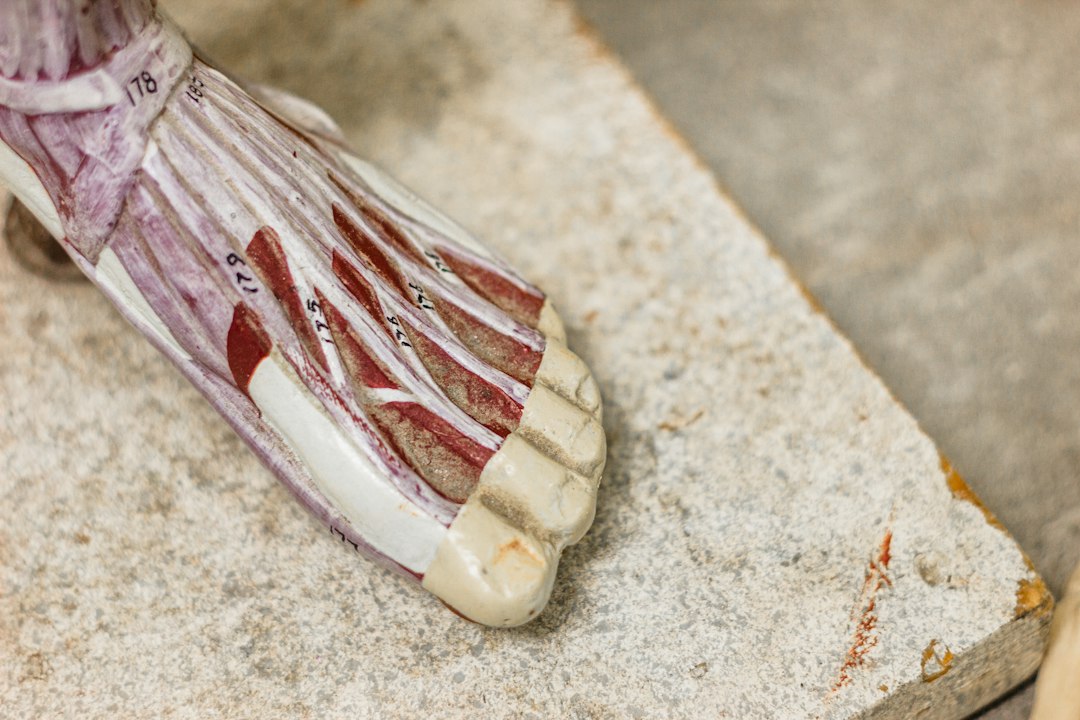
You’ve landed here because your feet are telling you a story, and it’s probably one of pain and discomfort. Foot tendonitis, often an unwelcome guest, arises when the tendons in your foot become inflamed or irritated. These resilient, fibrous cords connect muscle to bone, playing a crucial role in every step, jump, and pivot you make. When they’re overworked, subjected to repetitive strain, or experience a sudden increase in activity, they can rebel, leading to the familiar ache, swelling, and tenderness characteristic of tendonitis.
Imagine your tendons as finely tuned ropes. When you push them too hard, without adequate rest or proper form, those ropes can fray. This “fraying” is the microscopic damage that triggers the inflammatory response, your body’s natural alarm system. While inflammation is a vital part of the healing process, prolonged or excessive inflammation can become part of the problem, leading to chronic pain and restricted movement.
Recognizing the signs early is your first step toward recovery. You might notice pain that worsens with activity, particularly at the beginning of an exercise session or after prolonged rest. Swelling around the affected tendon, tenderness to the touch, and a feeling of stiffness are also common indicators. Sometimes, a creaking sound or sensation (crepitus) can accompany movement. Ignoring these signals can transform an acute, treatable condition into a more persistent, challenging one. Your feet are your foundation; paying attention to their whispers before they become shouts is paramount for overall well-being and mobility.
Common Types of Foot Tendonitis You Might Be Experiencing
Your foot is a complex marvel of engineering, housing numerous tendons, each susceptible to inflammation. While the general principles of tendonitis apply across the board, understanding which specific tendon is affected can help you better pinpoint your pain and guide your treatment.
Achilles Tendonitis: The Powerhouse at the Back of Your Ankle
Perhaps the most well-known culprit, Achilles tendonitis affects the large tendon connecting your calf muscles to your heel bone. You’ll typically feel pain at the back of your heel or just above it, especially during or after activities like running, jumping, or climbing stairs. It can range from a mild ache to severe, debilitating pain, sometimes making even walking a challenge. This tendon endures immense forces, making it prone to overuse injuries, particularly in athletes or those with tight calf muscles. Early intervention is crucial here, as a neglected Achilles tendonitis can progress to more serious issues, including tears or ruptures.
Posterior Tibial Tendonitis: The Arch Supporter
Your posterior tibial tendon runs along the inside of your ankle and foot, playing a vital role in supporting your arch and stabilizing your foot as you walk. When this tendon becomes inflamed, you might experience pain along the inside of your ankle and foot, often accompanied by swelling. Over time, untreated posterior tibial tendonitis can lead to a gradual flattening of your arch, a condition known as adult-acquired flatfoot. This is particularly common in middle-aged and older women, and those who are overweight. Recognizing the early signs – pain and tenderness on the inside of the ankle, especially after activity – is key to preventing long-term structural changes to your foot.
Peroneal Tendonitis: The Lateral Stabilizers
On the outer side of your ankle, two peroneal tendons (peroneus longus and peroneus brevis) work together to stabilize your ankle and evert (turn outward) your foot. Inflammation in these tendons, peroneal tendonitis, typically causes pain and swelling along the outside of your ankle. This is often associated with ankle sprains, repetitive turning motions of the foot, or in individuals with high arches. Activities that involve pivoting or uneven surfaces can exacerbate the pain. You might notice increased discomfort when pushing off the outer edge of your foot or during activities that involve side-to-side movements.
Extensor Tendonitis: The Top of the Foot Ache
The extensor tendons run along the top of your foot, responsible for lifting your toes and foot upwards. Extensor tendonitis presents as pain and swelling on the top of your foot, often aggravated by footwear that puts pressure on the area, like tight laces or rigid shoe tops. Repetitive dorsiflexion (lifting your foot) or prolonged walking or running, especially uphill, can also contribute to this condition. Unlike other forms of foot tendonitis, which often involve weight-bearing activities, extensor tendonitis can sometimes be triggered by simply wearing ill-fitting shoes that rub or compress the tendons.
Flexor Tendonitis: The Underfoot Strain
Less common but equally disruptive, flexor tendonitis affects the tendons on the sole of your foot or underneath your toes. This can cause pain in the arch, ball of the foot, or even under the toes. It’s often associated with activities that involve gripping the ground with your toes, ballet, or overuse in sports that require quick starts and stops. Dancers and athletes in sports like gymnastics are particularly susceptible to this form of tendonitis due to the extreme demands placed on these tendons. The pain can be sharp and localized or a more diffuse ache, making diagnosis sometimes challenging without professional evaluation.
If you’re seeking effective treatment options for tendonitis in the foot, you may find valuable insights in a related article on exercise and rehabilitation techniques. This resource discusses various exercises that can help strengthen the foot and alleviate pain associated with tendonitis. For more information, you can read the article here: Exercise and Rehabilitation Techniques.
1. The Crucial Role of Rest and Activity Modification

When your foot’s tendons are inflamed and screaming for attention, the very first, and arguably most important, step you need to take is to give them a break. You wouldn’t keep hitting a bruised muscle, would you? The same logic applies, perhaps even more so, to your tendons. Rest isn’t just about lying on the couch (though that certainly helps); it’s about making smart choices to reduce the load and stress on your affected tendon so it can begin the vital process of healing.
You see, every time you engage in the activity that caused or aggravates your tendonitis, you’re essentially re-injuring the already damaged fibers. This perpetuates the cycle of inflammation, pain, and delayed recovery. Your body is incredibly adept at healing itself, but it needs the right environment to do so, and that environment starts with reduced stress.
Rest doesn’t necessarily mean complete immobilization for an extended period, which can sometimes lead to stiffness and muscle atrophy. Instead, think of it as intelligent activity modification. This involves identifying and then stopping or significantly reducing the specific movements and activities that trigger your pain. If running is the culprit, you might need to temporarily switch to swimming or cycling, activities that put less direct impact on your foot. If prolonged standing at work is the issue, you might need to explore options for sitting more frequently or taking more breaks. The goal is to unload the tendon without completely deconditioning the rest of your body.
Remember, pain is your body’s warning signal. Ignoring it and pushing through can turn a temporary annoyance into a chronic problem that takes much longer to resolve. Listen to your body; it’s telling you precisely what it needs.
How to Implement Effective Activity Modification
You’ve identified the aggravating activity, now what? Implementing activity modification requires a strategic approach. It’s not just about stopping entirely; it’s about understanding how to scale back and substitute without sacrificing all physical activity.
Gradually Reducing Stress and Identifying Triggers
The first step is to be a detective. Keep a mental (or even written) log of when your pain is worst. Is it after your morning run? During a long shift on your feet? When you climb stairs? Pinpointing these specific triggers is crucial. Once you know what makes it worse, you can begin to systematically reduce your exposure to those activities. If you’re a runner, this might mean cutting back on mileage, intensity, or frequency. Perhaps you switch to a flat, even surface instead of hills or trails. If your job requires prolonged standing, can you sit during breaks? Can you alternate standing with perching on a high stool? The idea is to incrementally reduce the load until your tendon is no longer being constantly irritated. This might even involve taking a complete break from the activity for a few days or weeks, depending on the severity of your symptoms.
Finding Alternative, Low-Impact Exercises
Just because you’re resting your foot doesn’t mean you have to become a couch potato. In fact, maintaining some level of cardiovascular fitness and strength in other parts of your body can actually aid in your recovery by improving circulation and overall well-being. Look for activities that don’t stress your affected foot tendon. Swimming is often an excellent choice as it’s non-weight-bearing. Cycling (with proper foot positioning to avoid straining the tendon) can also be a good option for some types of foot tendonitis. Upper body workouts, core strengthening exercises, and even light resistance training for your unaffected limbs can keep you active and mentally engaged while your foot heals. The key is to find alternatives that allow your foot to remain pain-free during and after the activity. If you feel even a twinge of pain, stop and reconsider your approach.
2. Harnessing the Power of R.I.C.E. Therapy (Ice, Compression, Elevation)
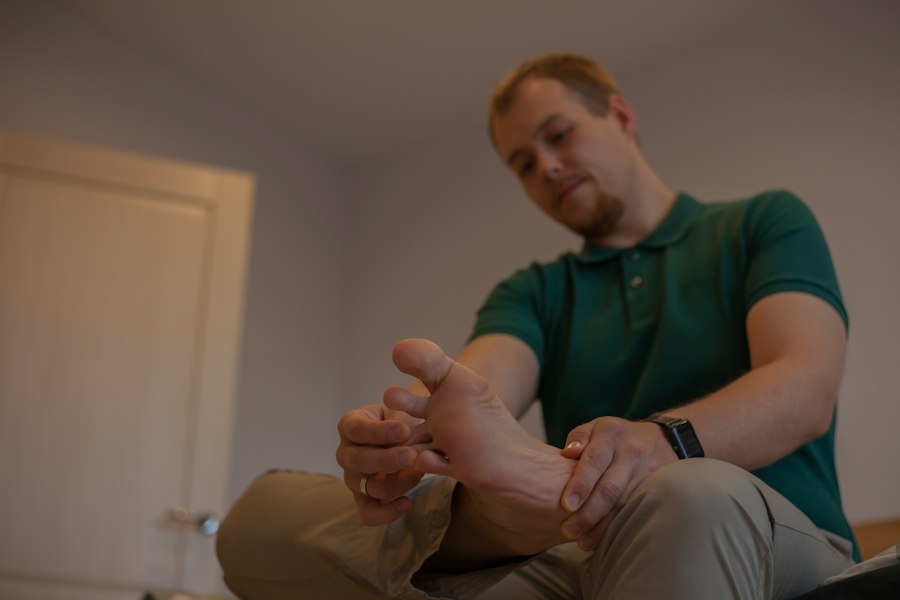
You’ve initiated rest and activity modification, which is a fantastic start. Now, let’s talk about the immediate, symptomatic relief that often goes hand-in-hand with rest: the tried-and-true R.I.C.E. protocol. While “R” stands for Rest, which we’ve just covered, the “ICE,” “COMPRESSION,” and “ELEVATION” components are equally vital in managing the acute symptoms of foot tendonitis, particularly pain and swelling. These techniques work synergistically to create an optimal environment for your body’s natural healing processes.
When your tendon is inflamed, there’s often an increase in blood flow to the area, leading to swelling. This swelling, while part of the healing process, can also contribute to pain by putting pressure on surrounding tissues and nerve endings. By effectively managing this swelling, you can significantly reduce discomfort and potentially speed up the initial phases of recovery. Think of it as creating a calming environment for your angry tendon, soothing its irritation and giving it the space it needs to mend. Implementing these steps consistently, especially in the early stages of tendonitis or after an aggravating activity, can make a profound difference in your overall comfort level and progression toward full recovery.
The Science Behind Cold, Pressure, and Gravity
Let’s break down how each element of R.I.C.E. works to soothe your foot. Understanding the mechanisms can empower you to use these treatments more effectively.
Utilizing Ice Therapy to Combat Pain and Swelling
You might have heard that ice “reduces inflammation.” While it doesn’t directly stop the inflammatory process, it certainly helps manage its immediate effects. When you apply ice to your foot, you cause vasoconstriction, meaning the blood vessels in that area narrow. This reduces the blood flow to the injured site, which in turn helps to limit the amount of swelling. Less swelling means less pressure on nerve endings, translating directly into reduced pain. The cold also numbs the nerve endings, providing a direct analgesic effect.
The key to effective ice therapy is proper application. You should apply a cold pack (gel packs, ice bags, or even a bag of frozen peas work well) for approximately 10–20 minutes at a time. Never apply ice directly to your skin; always use a barrier like a thin towel to prevent frostbite. You can repeat this process several times a day, especially after any activity that might aggravate your tendon or when you’re experiencing increased pain or swelling. Think of it as giving your tendon a short, cooling reprieve from its distress. After 20 minutes, remove the ice to allow normal blood flow to resume.
The Benefits of Compression for Swelling Control
Compression works hand-in-hand with ice therapy to control swelling. By applying gentle, even pressure to the affected area, you physically help to prevent fluid buildup. This consistent pressure also supports the injured tissues, providing a sense of stability and potentially reducing movement that could further irritate the tendon.
You can achieve effective compression using an elastic bandage (like an ACE wrap), a specialized compression sleeve, or even certain supportive braces. When applying a bandage, ensure it’s snug but not overly tight. You should be able to comfortably slip a finger underneath the wrap, and your toes shouldn’t turn blue or feel tingly, which would indicate impaired circulation. Start wrapping from your toes and work your way up the foot and ankle, overlapping by about half the width of the bandage. Compression is particularly beneficial during the day when you’re more active and gravity is working against you.
Elevating Your Foot for Optimal Fluid Drainage
Gravity is a powerful force, and when it comes to swelling, it can be your enemy or your friend. With elevation, you’re making it your friend. By simply raising your foot above the level of your heart, you encourage the excess fluid to drain away from the injured area. This is especially effective when combined with ice and compression.
The best time to elevate your foot is when you’re resting, such as when you’re lying down. Prop your foot up on pillows or cushions, ensuring it’s higher than your chest. Aim to keep it elevated for significant periods, particularly during the initial days of pain or swelling. Even small periods of elevation throughout the day, like propping your foot on a chair while sitting, can contribute to reducing fluid retention. Consistent elevation, along with ice and compression, provides a comprehensive approach to managing the immediate physical symptoms of foot tendonitis, paving the way for deeper healing.
3. Alleviating Pain with Anti-Inflammatory Medication
You’ve tackled the physical aspects of rest and the immediate relief of R.I.C.E., but sometimes, the pain and inflammation are persistent and demand a little more help. This is where anti-inflammatory pain relief can step in, offering a valuable tool in your short-term management strategy. While these medications don’t “cure” the tendonitis, they can significantly reduce your discomfort and lower the level of inflammation, making it easier for you to perform other crucial recovery steps, such as stretching and strengthening.
It’s important to approach medication judiciously and always consider your individual health profile. These are short-term solutions, designed to bridge the gap while your body heals with the aid of the other treatments discussed. They are not meant for long-term, indefinite use due to potential side effects. Always consult with a healthcare professional before starting any new medication, especially if you have pre-existing conditions or are taking other drugs. Your doctor can advise you on the most appropriate type and dosage, and confirm if it’s a suitable option for your specific situation.
Understanding NSAIDs: Your Short-Term Ally
Nonsteroidal Anti-Inflammatory Drugs (NSAIDs) are a class of medication widely used to manage pain and inflammation. They work by blocking certain enzymes in your body that produce prostaglandins, chemicals that contribute to inflammation, pain, and fever.
Over-the-Counter Options: Ibuprofen and Naproxen
For most cases of foot tendonitis, readily available over-the-counter NSAIDs like ibuprofen (e.g., Advil, Motrin) and naproxen (e.g., Aleve) are often the first line of pharmacological treatment. You’ve probably encountered these before in other contexts.
- Ibuprofen: This medication typically provides relief for about 4-6 hours. It’s often recommended to take with food to minimize stomach upset. Common dosages for pain and inflammation typically range from 200mg to 400mg every 4-6 hours, not exceeding a maximum daily dose without medical supervision.
- Naproxen: Naproxen offers longer-lasting relief, usually around 8-12 hours, meaning you might take it less frequently. This can be beneficial for consistent pain management throughout the day or night. Typical doses are 220mg every 8-12 hours, again, not exceeding a daily maximum advised by a healthcare professional.
Both ibuprofen and naproxen can be highly effective in reducing the pain and swelling associated with tendonitis, allowing you to move more comfortably and participate in gentle rehabilitation exercises. However, it’s crucial to use them only as directed and for a short duration, usually no more than 7-10 days, unless otherwise advised by your doctor. Prolonged use can increase the risk of side effects such as stomach irritation, ulcers, kidney problems, and cardiovascular issues.
Important Considerations and Potential Side Effects
While NSAIDs can be incredibly helpful, they are not without risks. You must be aware of potential side effects and contraindications.
- Gastrointestinal Issues: The most common side effect is stomach upset, which can range from indigestion and heartburn to more serious issues like stomach ulcers and bleeding, especially with prolonged use or higher doses. Taking NSAIDs with food or milk can help mitigate this.
- Kidney Function: NSAIDs can affect kidney function, particularly in individuals with pre-existing kidney disease, dehydration, or those taking other medications that impact the kidneys.
- Cardiovascular Risks: There’s a small but significant increased risk of heart attack and stroke with NSAID use, especially with long-term use and in individuals with cardiovascular risk factors.
- Drug Interactions: NSAIDs can interact with other medications, such as blood thinners (anticoagulants), certain blood pressure medications, and diuretics. Always inform your doctor or pharmacist about all medications and supplements you are taking.
- Allergies: If you have a history of allergic reactions to aspirin or other NSAIDs, you should avoid them.
If over-the-counter options aren’t sufficient, or if your pain is severe, your doctor might consider prescribing stronger NSAIDs or other pain relievers. In some cases, topical NSAID creams or gels can be applied directly to the skin over the affected tendon, offering localized relief with fewer systemic side effects. Regardless of the type of NSAID, remember their role is to support healing by reducing symptoms, not to replace the fundamental need for rest and rehabilitation. Use them wisely, always in consultation with your healthcare provider, and always for the shortest possible duration to achieve symptom relief.
If you’re seeking effective strategies for managing tendonitis in the foot, you might find valuable insights in a related article that discusses various treatment options. This resource highlights the importance of proper diagnosis and tailored rehabilitation programs to alleviate pain and promote healing. For more information on how to address foot injuries, you can visit this helpful link that offers comprehensive guidance on injury management and recovery.
4. Building Strength and Flexibility: Stretching and Strengthening Exercises
| Treatment Method | Description | Typical Duration | Effectiveness | Notes |
|---|---|---|---|---|
| Rest and Activity Modification | Avoiding activities that exacerbate pain to allow tendon healing. | 2-6 weeks | High for mild cases | Essential first step in treatment |
| Ice Therapy | Applying ice packs to reduce inflammation and pain. | 10-20 minutes, 3-4 times daily | Moderate | Best combined with other treatments |
| Nonsteroidal Anti-Inflammatory Drugs (NSAIDs) | Medications to reduce pain and inflammation. | 1-2 weeks | Moderate | Consult physician before use |
| Physical Therapy | Exercises to strengthen and stretch the affected tendon and surrounding muscles. | 4-8 weeks | High | Includes eccentric strengthening exercises |
| Orthotic Devices | Custom shoe inserts to support foot and reduce tendon strain. | As needed | Moderate to High | Helpful for biomechanical issues |
| Corticosteroid Injections | Injection to reduce severe inflammation. | Single or few injections over weeks | Variable | Risk of tendon weakening or rupture |
| Extracorporeal Shockwave Therapy (ESWT) | Non-invasive treatment using shockwaves to stimulate healing. | 3-5 sessions over weeks | Moderate to High | Used for chronic cases |
| Surgery | Operative repair or debridement of damaged tendon tissue. | Recovery 3-6 months | High for severe or refractory cases | Considered after conservative treatments fail |
You’ve eased the initial pain and swelling; now it’s time to lay the groundwork for long-term recovery and prevention. While rest is crucial in the acute phase, prolonged inactivity can lead to stiffness, weakness, and a higher risk of re-injury once you resume activity. This is where a targeted program of stretching and strengthening exercises becomes indispensable. Think of it as rebuilding your tendon’s resilience and preparing it for the demands of your daily life and activities.
These exercises are designed to achieve two primary goals: first, to restore and improve the flexibility of your muscles and tendons, which often become tight and shortened due to injury or overuse. Second, to strengthen the muscles that support and move your foot and ankle, providing better stability and reducing the strain on your affected tendon. A stronger, more flexible foot is a more resilient foot.
However, it’s absolutely critical to approach these exercises cautiously and progressively. Start gently, listen intently to your body, and never push through pain. Pain is a signal that you’re doing too much, too soon, or incorrectly. A physical therapist is an invaluable resource at this stage, as they can accurately diagnose your specific condition and design a personalized exercise program tailored to your needs, ensuring you perform the movements correctly and safely. Trying to self-diagnose and self-prescribe exercises can sometimes do more harm than good.
Strategic Movements for Tendon Rehabilitation
Your journey back to a healthy foot involves a systematic approach to movement. These exercises aren’t about brute force; they’re about precision and consistency.
Calf Stretches: Essential for Many Foot Tendonitis Conditions
Tight calf muscles are a common contributing factor to several types of foot tendonitis, particularly Achilles and posterior tibial tendonitis. When your calf muscles (gastrocnemius and soleus) are tight, they pull excessively on the tendons connected to your foot, increasing strain and making them more susceptible to injury. Improving calf flexibility is therefore a cornerstone of effective rehabilitation.
- Gastrocnemius Stretch (Straight Leg Calf Stretch): Stand facing a wall, placing your hands on it at shoulder height. Step one foot back, keeping your heel on the ground and your knee straight. Lean forward until you feel a gentle stretch in the calf of your back leg. Hold for 20-30 seconds. You should feel the stretch higher up in your calf. Repeat 3-5 times per leg.
- Soleus Stretch (Bent Knee Calf Stretch): From the same position, bend both knees slightly, keeping your back heel on the ground. Lean forward again. You should feel the stretch lower down in your calf, closer to your Achilles tendon. Hold for 20-30 seconds, repeating 3-5 times per leg.
Perform these stretches gently, never bouncing, and always to the point of a comfortable stretch, not pain. Consistency is key; aim to do these multiple times a day.
Progressive Rehabilitation Exercises: Strengthening from the Ground Up
Once your pain has subsided significantly and you have improved flexibility, you can begin to introduce strengthening exercises. These should be progressive, meaning you start with low resistance and gradually increase the challenge as your tendon heals and strengthens.
- Toe Curls/Marble Pick-ups: Sit in a chair with your feet flat on the floor. Place a towel on the floor in front of you. Using only your toes, try to scrunch the towel towards you. Alternatively, place marbles on the floor and use your toes to pick them up and place them in a cup. This strengthens the intrinsic muscles of your foot and can help support your arch. Perform 10-15 repetitions, 2-3 sets.
- Calf Raises (Eccentric Focus): Stand with the balls of your feet on a step, allowing your heels to drop slightly below the step. Slowly rise up onto your toes, then very slowly (taking 3-5 seconds) lower your heels back down below the step. The slow lowering (eccentric phase) is particularly beneficial for tendon healing. Start with both feet, then progress to single-leg calf raises as tolerated. Aim for 10-15 repetitions, 2-3 sets.
- Ankle Alphabet: Sit in a chair with your foot extended. Gently move your foot to “draw” each letter of the alphabet in the air with your big toe. This exercise helps improve range of motion and gentle strengthening in all directions. Perform 1-2 full alphabets per foot.
- Resistance Band Exercises: Once stronger, you can introduce resistance bands. Loop a resistance band around your foot and perform movements like dorsiflexion (pulling your foot up), plantarflexion (pushing your foot down), inversion (turning your foot in), and eversion (turning your foot out) against the band’s resistance. Start with a light band and 10-15 repetitions, 2-3 sets, gradually increasing band resistance as you get stronger.
Remember the principles of progression: start with bodyweight, then add light resistance, and only increase the intensity or repetitions if you experience no pain during or after the exercise. Consistency, patience, and professional guidance are your best allies in this phase of recovery, helping you rebuild a resilient and pain-free foot.
For those seeking effective treatment options for tendonitis in the foot, a comprehensive understanding of the condition is essential. A related article discusses various therapeutic approaches and rehabilitation strategies that can significantly aid in recovery. You can read more about these methods and their benefits in this informative piece on foot treatment. By exploring these insights, individuals can better navigate their healing journey and improve their overall foot health.
5. External Support Systems: Orthotics, Supportive Footwear, and Immobilization
You’ve addressed the internal healing process through rest, anti-inflammatories, and exercise. Now, let’s turn our attention to how you can support your foot externally to further reduce strain and promote optimal healing. Your feet are subjected to significant forces every day, and providing them with the right kind of support can make a world of difference in recovery from tendonitis and preventing its recurrence. Think of these external aids as protective shields and helpful guides for your healing tendons.
The right external support can accomplish several crucial things: it can reduce the stress placed on your inflamed tendon during weight-bearing activities, help correct biomechanical issues that contribute to tendonitis, and in more severe cases, temporarily immobilize the area to allow for concentrated healing. The specific type of support you need will depend on the severity and location of your tendonitis, as well as your daily activities and footwear. This is another area where professional advice, particularly from a podiatrist or physical therapist, is invaluable to ensure you get the most appropriate and effective solution. Don’t underestimate the power of external support; it can be a game-changer in your recovery journey.
Strategic Support for Your Healing Foot
Choosing the right external support isn’t a one-size-fits-all situation. It requires understanding the different options and how they apply to your specific condition.
Orthotics and Shoe Inserts: Customizing Your Foundation
Orthotics, often referred to as shoe inserts, are devices placed inside your shoes to support, align, and improve the function of your foot. They can range from inexpensive over-the-counter options to custom-made devices prescribed by a healthcare professional.
- Over-the-Counter Inserts: These are generally designed for common foot issues and offer basic arch support and cushioning. They can be helpful for mild cases of tendonitis by providing general support and shock absorption. Look for inserts specifically designed for arch support or for conditions like plantar fasciitis, as these often provide similar benefits for certain foot tendonitis issues. They can reduce pronation (the inward rolling of your foot), which often contributes to posterior tibial tendonitis, or provide a cushioning lift that can slightly reduce strain on the Achilles tendon.
- Custom Orthotics: These are specially designed for your unique foot structure and biomechanics after a thorough evaluation by a podiatrist or orthopedist. They can precisely correct misalignments, redistribute pressure, and provide targeted support to reduce strain on specific tendons. For example, a custom orthotic can be designed with a deeper heel cup to stabilize the heel, or with specific postings to control excessive pronation, which is a key factor in many cases of foot tendonitis. While more expensive, custom orthotics often provide superior results for more persistent or complex cases. They are especially beneficial for conditions like posterior tibial tendonitis, where arch support is critical, or for Achilles tendonitis by providing a slight heel lift to reduce tension.
Supportive Footwear: The Right Shoes Make All the Difference
The shoes you wear play a monumental role in the health of your feet and the recovery from tendonitis. Ill-fitting, unsupportive footwear can not only exacerbate tendonitis but can also be a primary cause.
- Key Features of Supportive Footwear: When selecting shoes, look for several critical features:
- Good Arch Support: This helps distribute pressure evenly across your foot and prevents excessive pronation or supination, reducing strain on tendons.
- Adequate Cushioning: Provides shock absorption, reducing impact forces on your tendons, especially important for activities like walking or running.
- Stable Heel Counter: The firm part around the heel of the shoe should hold your heel securely, preventing excessive side-to-side movement.
- Flexibility in the Forefoot, Rigidity in the Midfoot: The shoe should bend easily where your toes bend, but be firm and resistant to twisting in the arch area.
- Appropriate Fit: Ensure there’s enough room in the toe box, and the shoe isn’t too tight or too loose. Avoid shoes that rub or put direct pressure on the affected tendon.
- Specific Recommendations: For many types of foot tendonitis, choosing athletic shoes designed for stability or motion control can be beneficial. Avoid flat, unsupportive shoes, high heels, and worn-out footwear that has lost its cushioning and support. Consider investing in a good pair of walking or running shoes from a reputable brand, and if possible, get fitted at a specialty shoe store where staff can analyze your gait.
Immobilization: Bracing, Taping, or a Boot/Soft Cast
In more severe cases of tendonitis, or when conservative measures aren’t providing sufficient relief, temporary immobilization of the affected foot and ankle may be necessary. The goal here is to provide complete rest to the tendon, preventing any movement that could hinder healing.
- Bracing and Taping:
- Braces: Ankle braces, whether soft or semi-rigid, can provide external support and limit specific movements that aggravate the tendon. They are often used for peroneal or Achilles tendonitis to prevent excessive inversion/eversion or plantarflexion/dorsiflexion.
- Taping: Athletic taping by a physical therapist or trained professional can offer targeted support and offload specific tendons. Kinesiology tape can also be used to provide support while allowing for a greater range of motion, often facilitating muscle function rather than completely restricting movement. Taping is a temporary solution and requires skill to apply correctly.
- Walking Boot or Soft Cast: For more severe or chronic cases, or if there’s suspicion of a partial tear, a walking boot (CAM walker) or a soft cast may be prescribed. These devices completely immobilize the foot and ankle, taking all stress off the tendon and allowing it to heal without any movement whatsoever. While restrictive, they are highly effective in providing the necessary rest for significant healing. You would typically wear a walking boot for several weeks, gradually transitioning out of it as your symptoms improve and under the guidance of your healthcare provider.
The choice of external support should always be made in consultation with a healthcare professional, as they can accurately assess your condition and recommend the most appropriate and effective solution to facilitate your recovery.
6. Proactive Measures and Lifestyle Adjustments for Long-Term Foot Health
You’ve come a long way in understanding and addressing the immediate concerns of foot tendonitis. But true, lasting relief and prevention extend beyond just treating the symptoms. It involves adopting a proactive mindset and making conscious lifestyle adjustments that foster overall foot health and reduce the likelihood of recurrence. Think of this as future-proofing your feet, ensuring they remain strong, flexible, and resilient for whatever life throws your way.
Your feet are complex structures that bear the brunt of your daily activities. Neglecting them or consistently putting them under undue stress will inevitably lead to problems. By integrating preventative strategies into your routine, you’re not just avoiding future pain; you’re investing in your long-term mobility, athletic performance, and quality of life. This section focuses on the broader context of foot care, emphasizing sustainable habits that support your tendons and the entire musculoskeletal system of your lower limbs. It’s about empowering you to take control of your foot health, rather than simply reacting to problems as they arise.
Building a Foundation for Resilient Tendons
Preventing recurrence and maintaining foot health is an ongoing process that involves thoughtful attention to your body and your activities.
Gradual Increase in Activity and Proper Warm-up/Cool-down
One of the most common culprits behind tendonitis is the “too much, too soon” syndrome. Your tendons, like any tissue, need time to adapt to increased stress.
- The 10% Rule: A widely accepted guideline for increasing activity, especially in running or intense exercise, is the “10% rule.” This suggests that you should not increase your weekly mileage, intensity, or duration of activity by more than 10% per week. This allows your tendons and muscles to gradually strengthen and adapt, minimizing the risk of overload and injury. If you’re starting a new exercise program, begin with a conservative amount and gradually build up.
- Warm-up: Before any physical activity, a proper warm-up is non-negotiable. This isn’t just a few static stretches; it involves dynamic movements that gently increase blood flow to your muscles and tendons, raising their temperature and improving their elasticity. Think leg swings, ankle circles, high knees, and butt kicks. A good warm-up prepares your tendons for the demands of exercise, making them less prone to strain and injury. Aim for 5-10 minutes of light, dynamic movement.
- Cool-down: Equally important is the cool-down phase after exercise. This involves gradually decreasing your activity level, followed by static stretches (holding a stretch for 20-30 seconds). A cool-down helps to restore muscle length, improve flexibility, and reduce post-exercise stiffness. Focusing on calf stretches and other foot/ankle stretches during your cool-down can help maintain the flexibility you’ve worked hard to achieve.
Maintaining a Healthy Weight and Balanced Nutrition
Your body weight has a direct impact on the load placed on your feet and ankles. Every extra pound you carry translates to increased stress on your tendons, especially during weight-bearing activities.
- Weight Management: Maintaining a healthy body weight within a recommended BMI range can significantly reduce the mechanical stress on your foot tendons, making them less susceptible to injury and aiding in the recovery process. Even a modest amount of weight loss can make a noticeable difference in your foot comfort and overall joint health.
- Nutrition for Tendon Health: Your diet plays a crucial role in your body’s ability to repair and maintain healthy tissues.
- Protein: Adequate protein intake is essential for collagen synthesis, the primary building block of tendons. Ensure you’re consuming lean protein sources (chicken, fish, legumes, tofu) to support tissue repair.
- Vitamin C: This vitamin is vital for collagen production. Include citrus fruits, berries, bell peppers, and leafy greens in your diet.
- Omega-3 Fatty Acids: Found in fatty fish (salmon, mackerel), flaxseeds, and walnuts, omega-3s have anti-inflammatory properties that can support overall healing.
- Zinc and Copper: These trace minerals are also involved in collagen formation and tissue repair.
- Hydration: Staying well-hydrated is crucial for the health and elasticity of all your connective tissues, including tendons. Drink plenty of water throughout the day.
By consciously managing your weight and prioritizing a nutrient-rich diet, you’re providing your body with the fundamental resources it needs to build and maintain strong, resilient tendons.
7. Consulting with Healthcare Professionals: When and Why to Seek Expert Help
You’ve explored a comprehensive range of self-care strategies and preventative measures for foot tendonitis. These steps are incredibly powerful and often sufficient for mild to moderate cases. However, it’s vital to recognize that there are limits to self-treatment. Sometimes, your body needs a little extra guidance, a more precise diagnosis, or interventions that only a trained healthcare professional can provide. Knowing when to escalate your care and seek expert help is a critical component of effective and lasting recovery.
Ignoring persistent pain or worsening symptoms can lead to chronic issues, prolonged recovery times, and even more significant complications. A healthcare professional can offer a definitive diagnosis, rule out other conditions (such as stress fractures or nerve entrapment), and tailor a treatment plan that addresses the specific nuances of your condition. They have the expertise to assess your biomechanics, recommend specialized treatments, and guide you through a safe and effective rehabilitation program. Don’t view seeking professional help as a sign of failure in your self-care efforts; rather, see it as a smart, proactive step towards achieving optimal foot health.
Your Team of Experts for Foot Tendonitis Recovery
Several types of healthcare professionals specialize in foot and ankle conditions. Understanding their roles can help you determine who to consult based on your needs.
General Practitioner or Family Doctor: Your First Point of Contact
Your primary care physician (GP or family doctor) is typically your first stop. They can:
- Provide an initial assessment: They will take a history of your symptoms, perform a physical examination of your foot and ankle, and likely confirm a preliminary diagnosis of tendonitis.
- Offer initial treatment recommendations: This often includes guiding you on rest, ice, compression, elevation, and over-the-counter NSAIDs, as discussed in previous sections.
- Prescribe stronger medications: If needed, they can prescribe stronger anti-inflammatory drugs or pain relievers.
- Referrals: Crucially, your GP can refer you to specialists if your condition warrants further investigation or advanced care. They serve as the gateway to more specialized treatments.
- Monitor overall health: They can ensure that any prescribed treatments are safe considering your overall health and other medications you might be taking.
Podiatrist or Orthopedic Specialist: Deep Expertise for Your Feet
If your symptoms are persistent, severe, or not responding to initial conservative treatments, your GP will likely refer you to a specialist.
- Podiatrist: A podiatrist is a doctor specializing exclusively in foot and ankle conditions. They have extensive knowledge of foot biomechanics and can:
- Provide advanced diagnostics: They can order imaging studies such as X-rays (to rule out bone issues), ultrasounds (excellent for visualizing tendons), or MRIs (for more detailed soft tissue assessment, including tears).
- Offer specialized treatments: Podiatrists can provide custom orthotics, administer corticosteroid injections (used cautiously for tendonitis due to potential risks, but sometimes beneficial for pain relief), or discuss other interventional therapies.
- Perform minor procedures: In rare, chronic cases unresponsive to all other treatments, they may discuss minimally invasive procedures or surgical options, though surgery is a last resort for tendonitis.
- Orthopedic Specialist (Orthopedic Surgeon): An orthopedic specialist is a surgeon who specializes in the musculoskeletal system, including the bones, joints, ligaments, tendons, and muscles of the foot and ankle. They can:
- Provide similar diagnostic and non-surgical treatments as podiatrists.
- Offer surgical intervention: Their primary distinction is their ability to perform surgery if conservative treatments fail and there’s structural damage requiring repair (e.g., severe tendon degeneration or tears).
Physical Therapist or Rehabilitation Specialist: Guiding Your Recovery Journey
Once the initial pain is under control, or even during the initial stages for gentle movement, a physical therapist (PT) is an indispensable member of your recovery team.
- Individualized Exercise Program: A PT will conduct a thorough biomechanical assessment to identify contributing factors to your tendonitis, such as muscle imbalances, poor flexibility, or gait abnormalities. They will then design a highly personalized stretching and strengthening program (as discussed in Section 4). This program is crucial for safely restoring strength, flexibility, and function, and preventing recurrence.
- Manual Therapy: PTs often use hands-on techniques like massage, joint mobilization, or soft tissue manipulation to reduce pain, improve tissue extensibility, and promote healing.
- Modalities: They may utilize various modalities such as therapeutic ultrasound, electrical stimulation (e.g., TENS), or dry needling to manage pain and accelerate tissue repair.
- Gait Analysis and Activity Modification Guidance: A PT can analyze your walking or running mechanics and provide specific advice on how to modify your activities or improve your form to reduce stress on your tendons. They can also guide you on the safe return to sports or other demanding activities.
- Taping and Bracing Recommendations: They can expertly apply athletic tape or recommend appropriate bracing to support your foot during rehabilitation and activity.
In summary, you should consult your GP if your pain is persistent, severe, worsening, or if you suspect something more serious than mild tendonitis. They can then direct you to the most appropriate specialist, whether it’s a podiatrist for specialized foot care, an orthopedic specialist for potential surgical considerations, or a physical therapist to guide your hands-on rehabilitation. Working collaboratively with these experts ensures a holistic and effective approach to overcoming foot tendonitis and maintaining your long-term foot health.
References:
[1] American Academy of Orthopaedic Surgeons. (2021). Achilles Tendonitis. Retrieved from https://orthoinfo.aaos.org/en/diseases–conditions/achilles-tendonitis/
[3] Mayo Clinic. (2023). Achilles tendinitis. Retrieved from https://www.mayoclinic.org/diseases-conditions/achilles-tendinitis/diagnosis-treatment/drc-20369004
[4] Johns Hopkins Medicine. (n.d.). RICE Method: Treating Injuries at Home. Retrieved from https://www.hopkinsmedicine.org/health/conditions-and-diseases/sports-injuries/rice-method-treating-injuries-at-home
[5] Hospital for Special Surgery. (2022). Tendonitis in the Foot and Ankle. Retrieved from https://www.hss.edu/condition-articles_foot-ankle-tendonitis.asp
[6] Harvard Health Publishing. (2020). Healing Achilles Tendinitis. Retrieved from https://www.health.harvard.edu/pain/healing-achilles-tendinitis
[8] American Academy of Orthopaedic Surgeons. (2020). Peroneal Tendon Injuries. Retrieved from https://orthoinfo.aaos.org/en/diseases–conditions/peroneal-tendon-injuries/
[9] Cleveland Clinic. (2022). Tendonitis. Retrieved from https://my.clevelandclinic.org/health/diseases/10919-tendonitis
[12] American Orthopaedic Foot & Ankle Society. (n.d.). Posterior Tibial Tendon Dysfunction. Retrieved from https://www.aofas.org/footcaremd/conditions/ailments-of-the-ankle/Pages/Posterior-Tibial-Tendon-Dysfunction.aspx