Effective Ice Massage Techniques for Pain Relief and Injury Recovery

Ice Massage: An Introduction to Cryotherapy
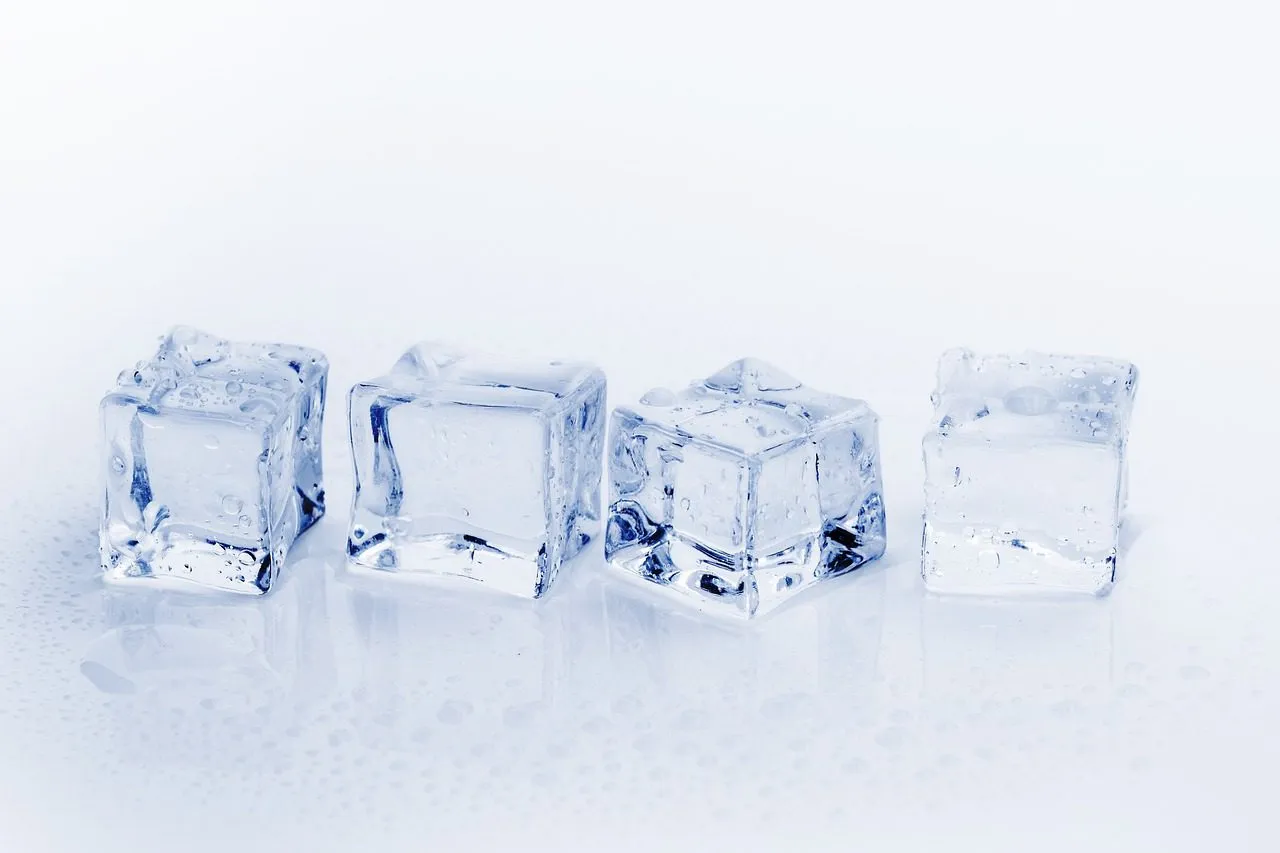
Ice massage, also known as cryotherapy, is a highly effective technique for pain relief and injury recovery. This therapeutic approach involves the application of ice or extremely cold temperatures to the affected area. By numbing the area and constricting blood vessels, ice massage helps reduce pain, inflammation, and swelling. Cryotherapy has been used for centuries to alleviate various ailments and promote healing. The cold therapy provided by ice massage can be beneficial for athletes recovering from intense workouts or individuals seeking relief from chronic pain. In the following sections, we will explore how ice massage works, its long-term effects, safe techniques for application.
Understanding the Science Behind Ice Massage
Ice massage works by reducing pain and inflammation through the application of cold temperatures to the affected area. When ice is applied, it numbs the nerves in the area, providing immediate relief from pain. Additionally, the cold temperature causes blood vessels to constrict, which helps reduce swelling and inflammation.
By constricting blood vessels, ice massage limits the flow of fluid to the injured area, preventing excessive swelling and promoting healing. This reduction in swelling also helps alleviate pressure on surrounding tissues, further reducing discomfort.
In addition to its immediate effects, ice massage has long-term benefits for injury recovery. Regular use of ice massage can help prevent tissue damage by reducing inflammation and limiting the extent of injuries. It aids in the recovery process by promoting proper healing and reducing scar tissue formation.
Athletes can particularly benefit from ice massage as part of their training routine. By incorporating regular ice massage sessions into their recovery protocols, athletes can improve their overall performance and reduce the risk of injuries. The combination of pain relief, reduced inflammation, and improved healing makes ice massage a valuable tool for athletes seeking optimal recovery.
Safe and Effective Ice Massage Techniques
Preparing for an ice massage is essential to ensure a safe and effective experience. Before starting, it's important to remember that ice should never be applied directly to the skin. To prepare for an ice massage:
Preparing for an Ice Massage
-
Wrap the ice in a towel or cloth to protect the skin from direct contact. This prevents ice burns and discomfort.
-
Gently apply the wrapped ice to the affected area using circular motions. Move the ice around continuously to avoid prolonged exposure to one spot.
When it comes to the duration and frequency of ice massage sessions, following some guidelines can help maximize its benefits:
Duration and Frequency of Ice Massage
-
Ice massage sessions should typically last for 10-15 minutes. This duration allows enough time for the cold therapy to take effect without causing any adverse reactions.
-
It's recommended to repeat ice massage every 2-3 hours for optimal pain relief and recovery. This frequency ensures consistent application of cold therapy throughout the day.
Remember, everyone's tolerance to cold may vary, so it's important to listen to your body during an ice massage session. If you experience excessive discomfort or numbness, it's advisable to discontinue the treatment.
By following these safe and effective techniques, individuals can harness the power of ice massage for pain relief and injury recovery.
Ice Massage at Watford Injury Clinic: A Success Story
The Watford Injury Clinic has successfully incorporated ice massage into their treatment plans, reaping numerous benefits for their patients. Ice massage is considered a key component of their approach to pain relief and injury recovery.
The Benefits of Ice Massage at Watford Injury Clinic
At the Watford Injury Clinic, ice massage is used to alleviate pain, reduce inflammation, and promote faster healing. Patients who have undergone ice massage treatments have reported significant pain relief and accelerated recovery compared to traditional methods. The targeted application of cold therapy through ice massage helps in reducing swelling and inflammation, allowing the body to heal more efficiently.
Testimonials from Athletes
Professional athletes who have sought treatment at the Watford Injury Clinic have praised the effectiveness of ice massage sessions. These treatments have played a vital role in helping athletes recover from injuries and regain peak performance. By incorporating ice massage into their sports therapy programs, athletes have experienced improved healing times and a reduced risk of reinjury.
The success stories from the Watford Injury Clinic highlight the efficacy of ice massage as a valuable technique for pain relief and injury recovery. Whether you're an athlete or someone seeking effective treatment, considering ice massage as part of your recovery plan can greatly contribute to your healing journey.
Harnessing the Power of Ice Massage for Healing and Recovery
Ice massage, also known as cryotherapy, is a powerful technique for pain relief and injury recovery. By understanding the science behind ice massage and following safe techniques, individuals can experience its numerous benefits. Whether you're an athlete looking to enhance your performance or someone seeking relief from chronic pain, ice massage can aid in healing and promote a faster recovery.
The targeted application of cold therapy through ice massage helps reduce pain, inflammation, and swelling. It can prevent tissue damage, accelerate the healing process, and improve overall athletic performance. By incorporating ice massage into your recovery routine, you can harness its power to support your body's natural healing mechanisms.
Embracing the benefits of ice massage allows individuals to take an active role in their own healing journey. So whether you're recovering from an injury or simply seeking pain relief, consider incorporating ice massage into your wellness routine to experience its transformative effects.