Top 5 Effective Foot Massage Techniques for Tendonitis Relief
You, the Listicle Content Architect, understand that dealing with foot tendonitis can be a real pain, quite literally. It’s that persistent ache that makes every step a challenge, disrupting your daily routine and sidelining your active pursuits. Tendonitis, an inflammation or irritation of a tendon, can strike various parts of your foot and ankle, from the plantar fascia running along your sole to the Achilles tendon at the back of your heel, or even the peroneal tendons on the outside of your ankle. While professional medical advice and treatment are paramount, incorporating effective foot massage techniques into your self-care regimen can offer significant relief, aiding recovery and improving your overall comfort. You’re about to dive into five evidence-informed techniques, commonly recommended by podiatry and rehabilitation experts, designed to alleviate pain and promote healing when you’re grappling with foot tendonitis. These aren’t just feel-good rubs; they’re targeted interventions that can make a tangible difference in your journey toward recovery. Remember, consistency is key, and listening to your body’s signals is crucial to ensure you’re applying beneficial pressure without exacerbating your condition.
Understanding Foot Tendonitis and the Role of Massage
Before you plunge into the specific techniques, it’s essential to grasp what foot tendonitis entails and why massage can be such a valuable tool in its management. Tendons are fibrous cords that connect muscle to bone. When these tendons become inflamed or irritated, often due to overuse, repetitive strain, or sudden injury, you experience tendonitis. This can manifest as pain, tenderness, stiffness, and sometimes swelling in the affected area. The location of your pain often indicates which tendon is involved. For instance, heel pain, especially with your first steps in the morning, often points to plantar fasciitis (though technically a fascial issue, it presents similarly to tendonitis), while pain at the back of your ankle could indicate Achilles tendonitis, and outer ankle pain might signal peroneal tendonitis.
Massage, when applied correctly, can play a crucial role in alleviating the symptoms of tendonitis by improving circulation, reducing muscle tension, breaking down adhesions (scar tissue), and promoting flexibility. By increasing blood flow to the affected area, massage can deliver essential nutrients and oxygen, aiding the healing process. It can also help to stretch and lengthen tight muscles and tendons, reducing the strain on the inflamed tissue. However, it’s imperative to approach massage for tendonitis with care. Deep tissue massage applied incorrectly or too aggressively can worsen inflammation, so a gentle yet firm approach, especially in the initial stages of inflammation, is generally recommended. Always consult with a healthcare professional or physical therapist to ensure these techniques are appropriate for your specific condition and to receive personalized guidance on pressure and duration.
Identifying Your Specific Tendonitis
To maximize the effectiveness of these massage techniques, it’s helpful to have a general idea of which tendon is causing you trouble. While a proper diagnosis from a medical professional is always recommended, you can often infer the likely culprit based on the location of your pain:
- Plantar Fasciitis/Plantar Fascia Tendonitis: Pain on the bottom of your foot, especially near the heel, often worse with the first steps after waking or after periods of rest. The pain can feel like a sharp, stabbing sensation.
- Achilles Tendonitis: Pain and tenderness at the back of your ankle, just above the heel. It might be worse with activity, especially running or jumping, and the area might feel stiff, especially in the morning.
- Peroneal Tendonitis: Pain along the outside of your ankle and foot. This pain often worsens with activity, especially those involving repetitive ankle movements or walking on uneven surfaces. You might also experience instability or weakness in the ankle.
- Posterior Tibial Tendonitis: Pain along the inside of your ankle and foot arch. This can sometimes lead to a flattening of the arch if left untreated. Pain might increase with standing or walking.
While the techniques you’re about to explore are generally beneficial for overall foot health and can provide relief for various types of tendonitis, knowing your specific condition can help you focus your efforts and understand why certain techniques are more emphasized for particular areas. Now, let’s get into the practical application.
If you’re seeking effective treatments for tendonitis in the foot, you may find valuable insights in the article available at the Watford Injury Clinic. Their comprehensive approach to rehabilitation includes various therapies, including massage, which can significantly alleviate pain and promote healing. To learn more about their services and expertise, you can visit their website at Watford Injury Clinic.
1. Plantar Fascia Deep Thumb Massage for Arch Relief
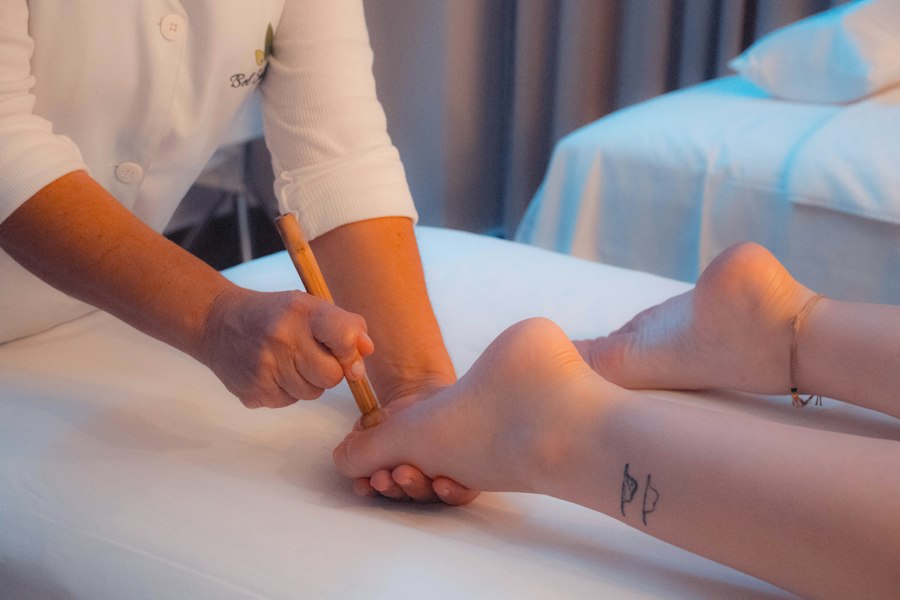
You’re starting with one of the most common culprits of foot pain: the plantar fascia. This technique is particularly effective for discomfort related to the plantar fascia itself or general plantar-surface tendon/fascia irritation and heel pain. It’s a targeted approach that allows you to apply precise pressure where you need it most.
How to Perform the Deep Thumb Massage
To effectively perform this technique, you’ll want to position yourself comfortably. Sit down and cross the ankle of your affected foot over the opposite knee. This position makes your foot easily accessible and allows you to apply leverage. Now, you’ll gently pull your toes back towards your shin. This action helps to tension the plantar fascia, making it more prominent and easier to target. With your opposite hand, use your thumb (or knuckles if you prefer more broad pressure) to apply firm, slow strokes. Start from your heel and work your way towards the ball of your foot. As you move, pay close attention to any tender spots you encounter. When you find one, pause your movement and apply sustained pressure for 20-30 seconds. The pressure should be firm enough to feel a stretch or a “good pain,” but never so intense that it causes sharp, debilitating pain.
Think of it as a methodical exploration of your arch. You’re not just rubbing; you’re searching for areas of tightness and adhesion. The “cross-friction” aspect comes into play as you might slightly vary the angle of your thumb strokes, moving slightly across the fibers of the plantar fascia as well as along them. This helps to break up any adhesions that might have formed, which can contribute to stiffness and pain. You can repeat this entire sequence – pulling the toes back, stroking from heel to ball, and pausing on tender spots – for about 5-10 minutes per foot, or until you feel a noticeable reduction in tension. Consistency with this technique, perhaps performing it daily or several times a week, can yield significant long-term benefits for plantar fascia irritation and heel pain.
2. Massage Ball or Frozen Bottle Roll for Intrinsic Muscle Release
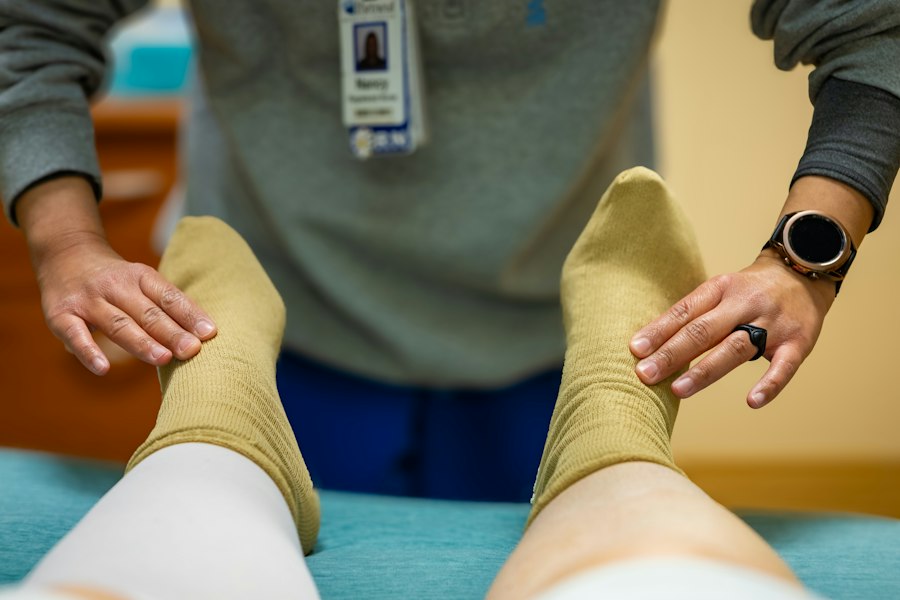
Moving beyond direct thumb work, you’ll find immense relief in using a simple yet highly effective tool: a massage ball or even a frozen water bottle. This technique is excellent for reducing tightness in the intrinsic foot muscles and fascia, making it a go-to for plantar fasciitis and situations where your peroneal or other foot tendons are overloaded. The beauty of this method lies in its simplicity and the ability to apply consistent, even pressure across the entire sole of your foot.
Utilizing Tools for Foot Massage
Whether you choose a dedicated massage ball (such as a spiky ball, lacrosse ball, or even a golf ball for more pinpoint pressure) or a frozen water bottle, the principle remains the same. You can perform this technique either sitting or standing, depending on how much pressure you want to apply.
If you’re sitting, place the ball or bottle on the floor and position your foot directly on top of it. Begin to roll the object along the entire length of your sole, moving from your heel all the way to your toes. Don’t forget to roll it side-to-side as well, ensuring you cover the inner, central, and outer arches of your foot. Apply moderate pressure, allowing the weight of your leg (when sitting) or your body (when standing) to dictate the intensity. As with the thumb massage, when you encounter a particularly tender spot, you can pause and hold the pressure for 20-30 seconds, allowing the muscle or fascia to release.
The frozen water bottle offers an additional benefit: cold therapy. The ice helps to reduce inflammation, which is particularly useful if your tendonitis is in an acute, inflamed stage. Rolling a frozen bottle provides both the mechanical benefits of massage and the anti-inflammatory effects of cryotherapy simultaneously.
Perform this rolling technique for about 5-10 minutes per foot. Focus on slow, deliberate movements rather than quick, rushed rolls. The goal is to deeply work into the tissues, releasing tension and improving flexibility. This technique is not only a fantastic way to address existing pain but also an excellent preventive measure, helping to keep your foot muscles and fascia supple and less prone to irritation. It’s a convenient method you can easily incorporate into your daily routine, perhaps while watching TV or working at a standing desk.
3. Calf and Achilles Tendon Massage with Transverse Friction
Your attention now shifts to the posterior chain, specifically your calf muscles and the Achilles tendon. Tightness in your calf muscles (gastrocnemius and soleus) can place significant strain on your Achilles tendon and, by extension, other structures in your foot. This section will guide you through loosening these critical areas, with a specialized technique for Achilles-related tendonitis.
Targeted Techniques for Calf and Achilles
Begin by warming up the area with some light gliding motions over your calf. You can use both hands, gently stroking upwards from your ankle towards your knee. This prepares the muscles for deeper work and increases blood flow. After this initial warm-up, you’ll move into kneading the gastrocnemius and soleus muscles. Using both hands, gently but firmly squeeze and release the calf muscles, working your way downward towards the ankle. Imagine you’re trying to milk the muscle, encouraging fluid movement and releasing deep-seated tension. Spend several minutes on each calf, focusing on any areas that feel particularly tight or knotted. You can use your thumbs for deeper pressure on specific bands of muscle, or your palms and fingers to encompass a larger area.
Now, for Achilles-related tendonitis, a specialized technique called transverse friction massage can be particularly beneficial. This involves applying gentle pressure across (transverse to) the tendon fibers, rather than along them. Locate the most tender area on your Achilles tendon. With your thumb and forefinger (or two fingers if you prefer), gently pinch or rub across the tendon fibers at this tender spot. The movement should be small, precise, and perpendicular to the direction of the tendon. The pressure should be firm enough to feel the tendon fibers moving under your fingers but never so strong that it causes sharp pain or increases inflammation. This form of massage, often used in sports massage for tendinitis, helps to break down adhesions, stimulate collagen production, and promote the healing of the tendon fibers.
Perform the transverse friction for about 2-3 minutes on the specific tender spot. It’s crucial to be gentle here, as the Achilles tendon is robust but can be easily irritated if treated too aggressively, especially when inflamed. After working on the Achilles, you might finish with a few more gentle glides on the calf to further promote relaxation and blood flow. Incorporating calf and Achilles massage regularly can significantly reduce the load on your Achilles tendon, improving its flexibility and reducing the likelihood of recurring tendonitis.
If you’re dealing with tendonitis in your foot, exploring various treatment options can be beneficial. One effective method is massage therapy, which can help alleviate pain and improve mobility. For those interested in complementary practices, incorporating yoga into your routine may also enhance your recovery. You can read more about how yoga and massage can greatly improve your posture in this insightful article here.
4. Plantar Foot and Arch Massage for Lateral Tendons (Peroneal Tendonitis Support)
| Massage Technique | Duration per Session | Frequency per Week | Benefits | Precautions |
|---|---|---|---|---|
| Deep Tissue Massage | 10-15 minutes | 2-3 times | Reduces deep muscle tension, improves blood flow to tendon | Avoid excessive pressure to prevent further tendon damage |
| Cross-Friction Massage | 5-10 minutes | 3-4 times | Breaks down scar tissue, promotes tendon healing | Should not cause sharp pain; stop if pain increases |
| Swedish Massage | 15-20 minutes | 1-2 times | Relaxes muscles, reduces overall foot tension | Use gentle pressure around inflamed areas |
| Ice Massage (Post-Massage) | 5-7 minutes | After each session | Reduces inflammation and swelling | Do not apply ice directly on skin; use a cloth barrier |
While your focus in previous sections might have been on the central arch and posterior ankle, you now need to consider the often-overlooked lateral structures of your foot. This technique specifically targets the muscles and tendons on the outer and central arch of your foot, providing crucial support and offloading for the peroneal tendons, which run along the outside of your ankle. Peroneal tendonitis can be particularly stubborn, and addressing the surrounding musculature is vital for relief and long-term stability.
Supporting Lateral Ankle Stability
To effectively perform this massage, you can use your fingers or a massage ball, similar to the method discussed earlier. Sit comfortably with your affected foot resting in an accessible position, perhaps with your ankle crossed over your opposite knee. Begin by applying deep, slow pressure along the outer and central arch of your foot. You’re not just targeting the very edge; think about the soft tissues that run along the bottom of your foot, slightly to the outside of the main plantar fascia.
Using your thumbs or fingers, alternate between applying sustained trigger-point holds and short, deep-tissue strokes. When you find a tender spot – often a small, taut band of muscle – apply steady pressure for 20-30 seconds, allowing the tissue to release. Then, use short, firm strokes to work along the muscle fibers in that area. The goal here is to release tension in the intrinsic foot muscles and the tendons that support the lateral ankle, which can include the abductor digiti minimi and other small muscles that contribute to foot stability. By releasing tension in these supporting structures, you can directly reduce the workload and strain on the peroneal tendons themselves.
If using a massage ball, place it under the outer and central arch of your foot. You can sit or stand, adjusting your body weight to control the pressure. Roll the ball slowly and deliberately across these areas, pausing on any particularly tight or tender spots. The ball allows for a consistent, deep pressure that can be difficult to achieve with just your fingers, especially if your foot muscles are very tight.
Spend 5-10 minutes on this area, focusing on systematic coverage. This targeted approach helps to improve the overall biomechanics of your foot, reducing the compensatory stress that can lead to peroneal tendonitis. By improving the strength and flexibility of the muscles that support your lateral ankle, you’re not just treating symptoms; you’re building resilience against future flare-ups.
If you’re dealing with tendonitis in your foot, exploring various treatment options can be beneficial. One effective method is massage therapy, which can help alleviate pain and improve mobility. For more insights on how massage can aid in recovery from tendonitis, you might find this article on the benefits of massage therapy helpful. You can read it here.
5. Ankle-Foot Mobilization with Circular and Stretching Motions
You’ve worked on deep tissue release and targeted specific tendons, but the final step in your effective foot massage routine is crucial for overall mobility and reducing stiffness. This technique focuses on gentle mobilization and stretching, acting as an excellent finisher after deeper work on your calf, Achilles, and plantar fascia. It aims to restore your ankle and foot’s full range of motion, enhance circulation, and leave your foot feeling more fluid and less restricted.
Enhancing Mobility and Circulation
Before you dive into the mobilization, you might perform a few light gliding strokes around your ankle and lower leg. This helps to further relax the tissues and prepare them for movement. Once warmed, gently roll your foot in slow, controlled circles. You can do this by holding your lower leg with one hand and rotating your foot at the ankle with the other. Perform circles in both clockwise and counter-clockwise directions, making sure to move through the full available range of motion. Don’t force any movements; the goal is gentle, fluid motion, not aggressive stretching. Perform 10-15 circles in each direction.
Following the circular motions, you’ll move into gentle stretching of the toes and foot. Bend your toes forward (plantarflexion) and then backward (dorsiflexion) for 20-30 seconds each. You can use your hand to assist with these stretches, gently pulling your toes towards your shin to stretch the top of your foot and ankle, and then pushing them downwards to stretch the arch. You can also gently stretch the foot itself, carefully pulling it into mild inversion (sole turning inward) and eversion (sole turning outward) to mobilize the subtalar joint and other small joints in the foot. Again, these should be gentle, sustained stretches, not bouncing or aggressive movements.
The primary benefit of this mobilization sequence is two-fold. Firstly, it helps to stretch and lengthen the soft tissues around your ankle and foot that might have become stiff due to tendonitis or inactivity. This improved flexibility can reduce the constant pull on inflamed tendons. Secondly, these gentle movements significantly boost circulation to the entire foot and ankle complex. Increased blood flow is vital for delivering oxygen and nutrients necessary for healing and for flushing away metabolic waste products that can accumulate in inflamed tissues.
Consider this technique as the cool-down for your foot. It helps to integrate the benefits of the deeper massage work, promoting overall joint health, reducing stiffness, and leaving your foot feeling more limber and ready for gentle activity. Incorporating this mobilization regularly can be a powerful tool in your tendonitis recovery, contributing to sustained relief and improved functional movement.